

Planning an interior design or home renovation in Singapore in 2026? Homeowners today are looking beyond short-term styles and focusing on timeless design, functional layouts and comfortable spaces that can adapt to changing lifestyles.
The leading interior design trends in Singapore for 2026 reflect this shift. Warm minimalism, nature-inspired interiors, layered materials and integrated smart-home features are shaping homes that feel more intentional, practical and personal.
At Crown Interior Design, we help homeowners translate these trends into practical and buildable designs for BTO flats, resale HDB homes, condominiums and landed properties.
Here are the top interior design trends in Singapore for 2026 and how they can be applied to real homes.
1. Soft Minimalism: Warm and Understated Luxury
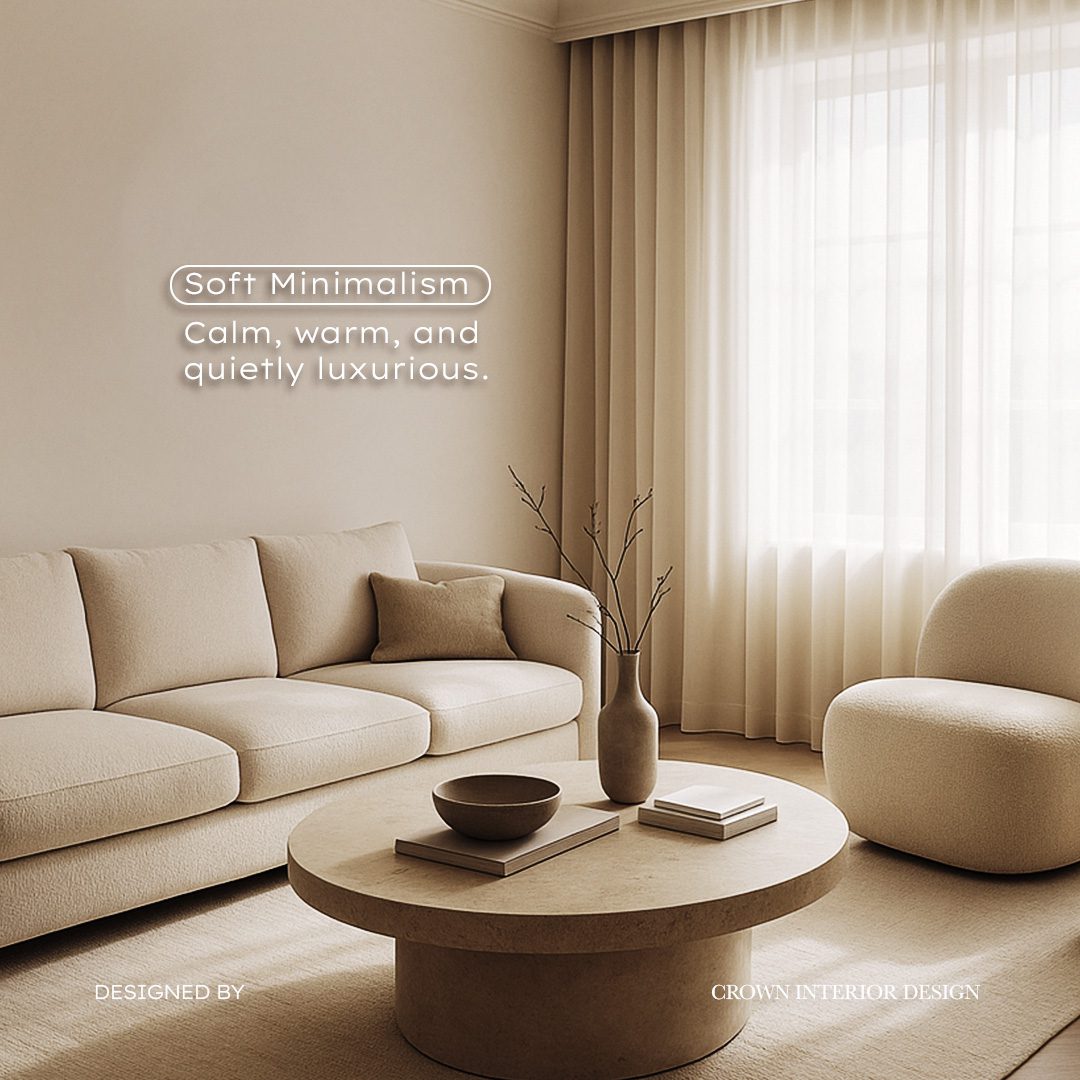
Soft Minimalism is one of the most influential interior design trends in Singapore for 2026. Unlike traditional minimalism, which can sometimes feel cold or empty, this style introduces warmth, comfort and subtle elegance while maintaining a clean and uncluttered appearance.
Key characteristics of Soft Minimalism include:
- Warm neutral colours such as beige, greige, cream and taupe
- Clean layouts with sufficient visual breathing space
- Soft curves and rounded furniture
- Concealed storage and streamlined carpentry
- Layered lighting instead of harsh overhead lighting
- Timeless materials that age well over time
This approach creates a cosy and refined home that is especially suitable for Singapore homeowners who value comfort, easy maintenance and long-term appeal.
Why Soft Minimalism Works for Singapore Homes
- Neutral colours help compact rooms feel brighter
- Simple layouts reduce visual clutter
- Concealed storage supports organised living
- The design can be refreshed easily with accessories
- It works well for HDB flats, condominiums and landed homes
2. Modern Japandi 2.0: Calm and Functional Living
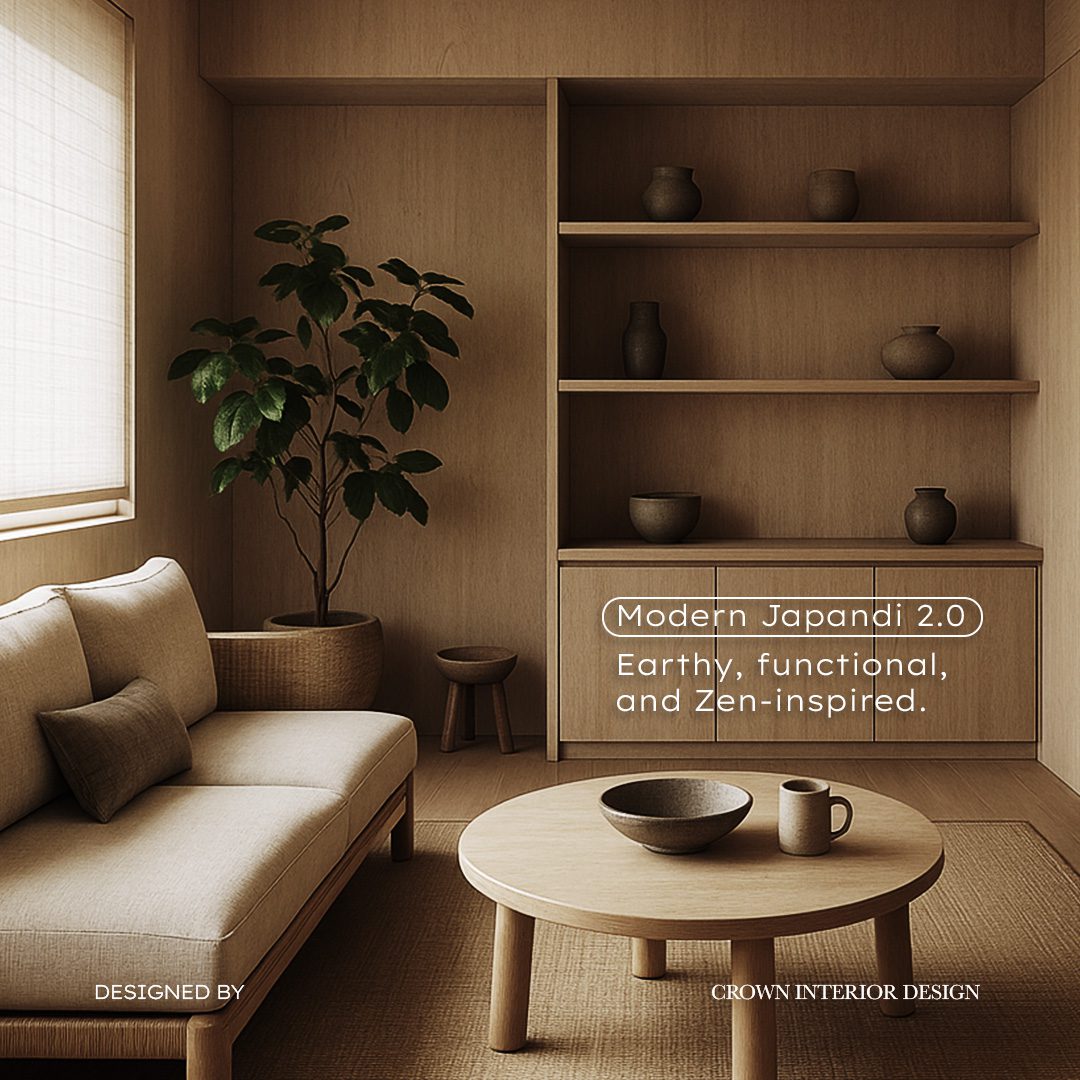
Modern Japandi continues to be a popular interior design choice in Singapore because it balances simplicity, warmth and functionality.
In 2026, Japandi evolves into a richer and more expressive style that combines Japanese restraint with Scandinavian comfort.
Modern Japandi 2.0 features:
- Earthy and muted colour tones
- Natural wood and wood-look finishes
- Simple layouts with minimal excess
- Low and visually grounded furniture
- Handcrafted details and natural textures
- Soft lighting that creates a restful atmosphere
This style promotes intentional and functional space planning, making it suitable for homeowners who want a calm retreat from Singapore’s fast-paced urban lifestyle.
How to Apply Japandi Design at Home
- Use light or medium timber finishes
- Choose simple furniture with clean lines
- Limit decorative items to meaningful pieces
- Use linen, cotton, rattan and textured fabrics
- Keep built-in carpentry practical and visually light
- Combine warm neutrals with selected earthy colours
3. Biophilic Comfort: Nature-Inspired Interior Design
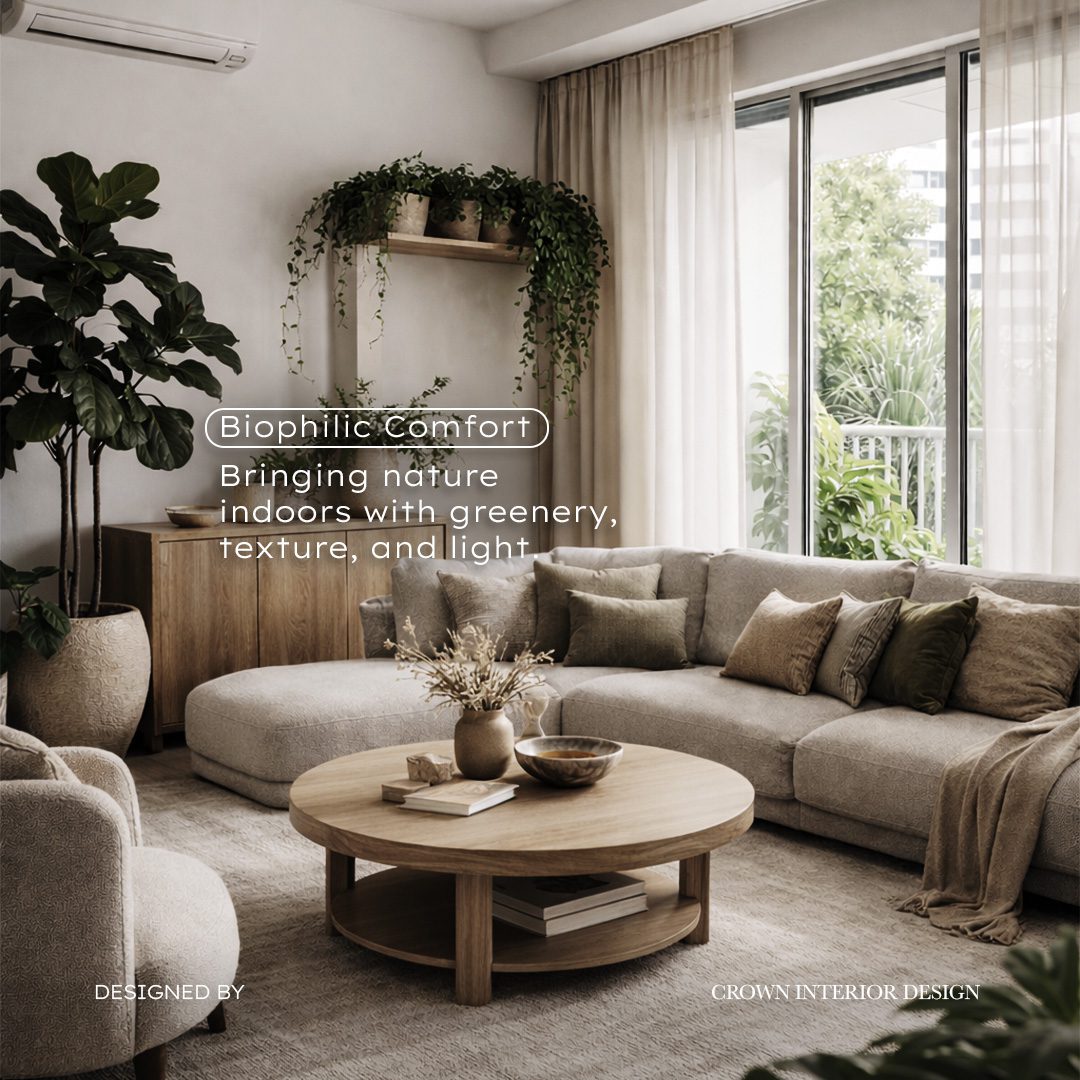
Biophilic design remains a strong trend in 2026, but the focus is shifting from decorative greenery to comfort, liveability and a stronger connection with nature.
Common biophilic interior design elements include:
- Indoor plants and low-maintenance greenery
- Organic shapes and rounded furniture
- Natural materials such as timber, rattan and stone
- Earthy colours inspired by nature
- Sheer curtains that allow natural light into the home
- Layouts that support ventilation and airflow
This trend supports comfort, relaxation and wellbeing, which is increasingly important for compact urban homes and apartments.
Practical Ways to Add Biophilic Design
- Place plants near windows and bright areas
- Use timber tones in furniture or carpentry
- Introduce stone-look surfaces in selected areas
- Choose natural fabrics for curtains and upholstery
- Keep windows clear to maximise daylight
- Use soft green, brown and sand-coloured accents
Biophilic design can be introduced gradually without requiring a complete home renovation.
4. Smart Luxury: Technology With Practical Comfort
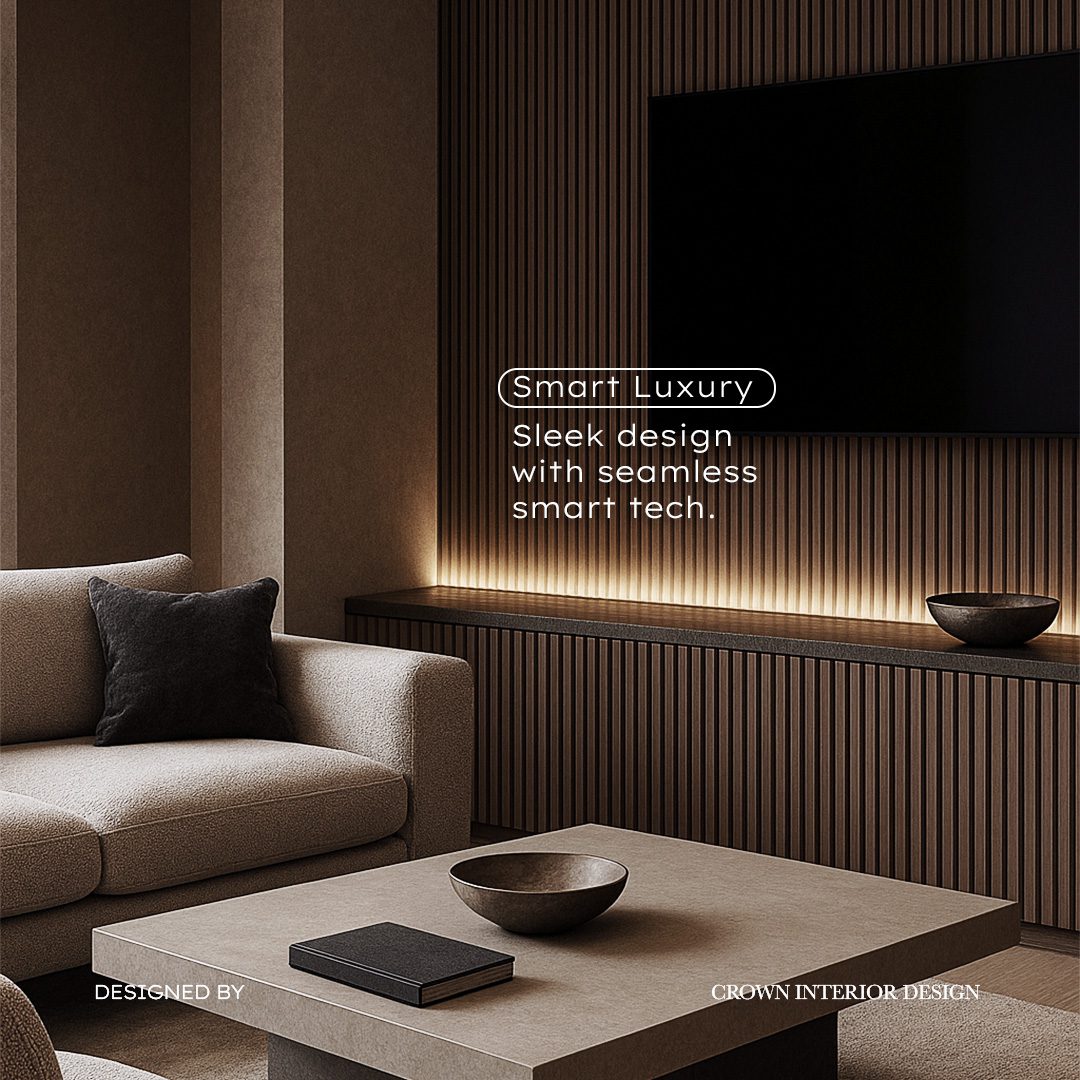
Modern luxury is no longer defined only by expensive finishes or decorative features. In 2026, luxury is increasingly associated with convenience, comfort and technology that integrates seamlessly into the home.
Smart Luxury focuses on:
- Smart lighting with adjustable brightness and warmth
- Automated curtains and blinds
- App-controlled air conditioning and appliances
- Concealed wiring and cable management
- Integrated charging points
- Hidden appliances and streamlined storage
- Clean interiors with discreet technology
The goal is to enhance everyday living without allowing technology to disrupt the interior design.
Planning Smart Home Features Properly
- Decide which smart functions will be used regularly
- Choose compatible devices within one ecosystem
- Plan electrical points before carpentry begins
- Ensure stable Wi-Fi coverage throughout the home
- Keep manual controls available where practical
- Consider future replacement and maintenance
5. Texture-on-Texture: Adding Depth Without Overcrowding
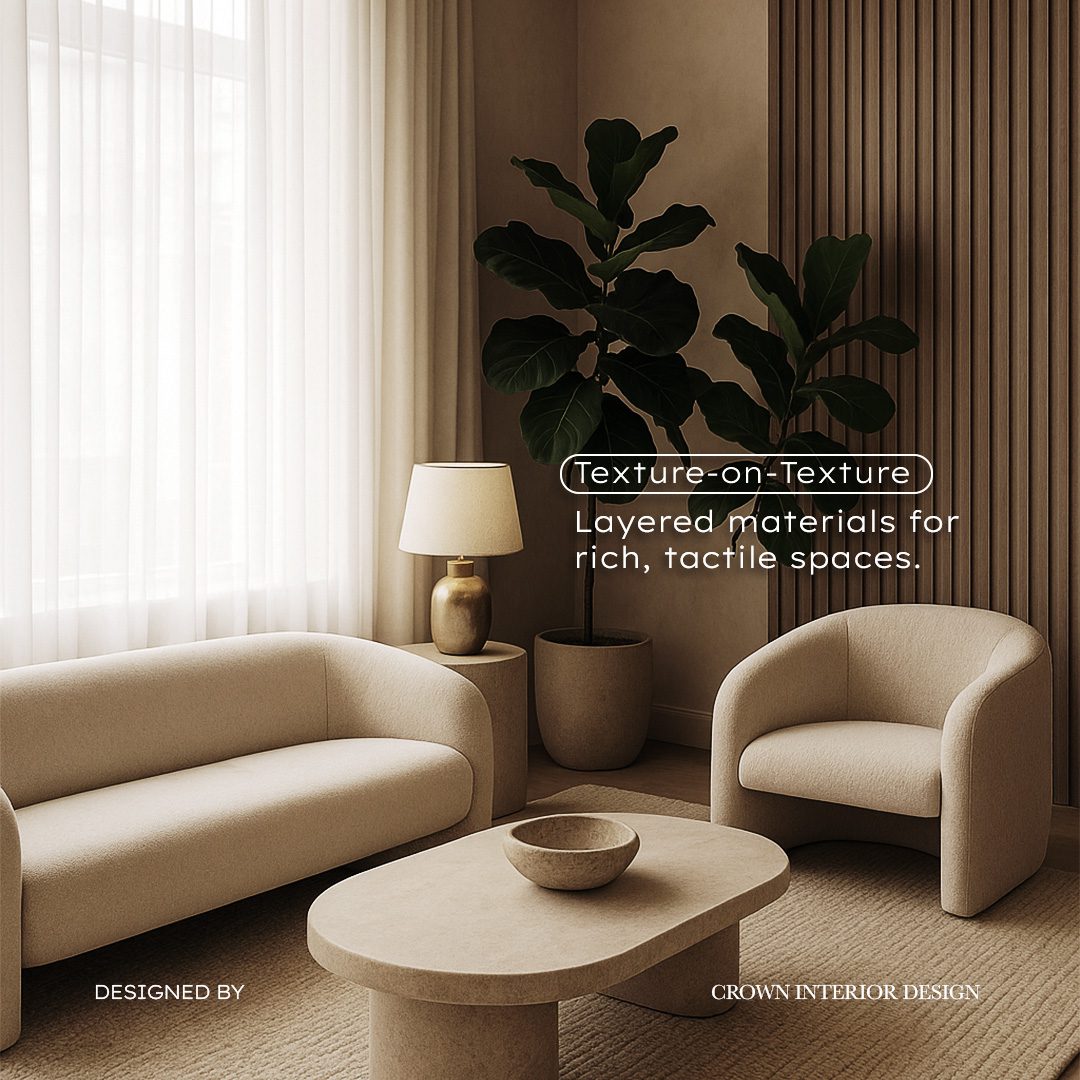
Instead of relying on bold colours, 2026 interiors use layered textures to create depth, warmth and visual interest.
Popular texture combinations include:
- Fabric upholstery with textured wall finishes
- Timber surfaces paired with stone or microcement
- Matte finishes balanced with a subtle sheen
- Fluted panels combined with smooth cabinetry
- Soft rugs layered with timber or stone-look flooring
- Upholstered headboards against simple painted walls
This approach works especially well for neutral, minimalist, Japandi and modern interior design styles.
How to Avoid Making the Space Feel Too Busy
- Use one consistent colour palette
- Limit the number of feature materials
- Mix textures with different levels of softness
- Keep larger surfaces visually simple
- Use stronger textures only in selected focal areas
Layered textures should add richness without making the home feel visually crowded.
How 2026 Interior Design Trends Apply to HDB and BTO Homes
These interior design trends can work well in HDB and BTO homes when they are adapted to the actual layout, family needs and available floor area.
Important planning considerations include:
- Efficient space planning for compact layouts
- Storage that does not overcrowd the home
- Furniture proportions suited to the room size
- Preserving natural light and airflow
- Flexible rooms that can support changing needs
- Materials that are easy to maintain
For 3-room and 4-room HDB flats, visual openness and multifunctional furniture are especially important. In 5-room BTO layouts, homeowners may have more flexibility to introduce larger feature walls, dedicated study areas and customised storage.
Good HDB interior design balances visual style with practical space planning so that every area serves a clear purpose.
Interior Design Trends for Resale HDB Homes
Resale HDB renovation often involves a different set of priorities because existing flooring, electrical systems, plumbing and layouts may need to be updated.
When applying 2026 design trends to a resale HDB, consider:
- Which existing finishes can be retained
- Whether the layout needs major hacking
- How to improve natural light and circulation
- Whether electrical and plumbing systems need upgrading
- How to create storage without excessive carpentry
- Which materials provide the best long-term value
Soft Minimalism, Japandi and Biophilic Comfort can work particularly well in resale homes because they help brighten older layouts and create a calmer visual environment.
Interior Design Trends for Condominiums
Condominium homes often come with existing flooring, wardrobes, kitchens and bathroom finishes. Renovation may therefore focus more on selected carpentry, lighting, styling and space optimisation.
Suitable 2026 condo design ideas include:
- Smart lighting and automated blinds
- Customised storage for compact bedrooms
- Layered textures in living and dining areas
- Soft neutral colours that create visual continuity
- Built-in work-from-home areas
- Biophilic elements near balconies and windows
The design should work with suitable existing features instead of replacing everything unnecessarily.
What Singapore Homeowners Want in 2026
Homeowners planning a modern home renovation in Singapore are placing greater emphasis on practical layouts and long-term liveability.
Common priorities include:
- Flexible layouts that can adapt over time
- Built-in storage planned around actual needs
- Easy-to-maintain materials
- Dedicated work-from-home areas
- Better lighting and natural ventilation
- Smart-home features that improve convenience
- Timeless designs that remain relevant for years
Modern interior design in 2026 focuses less on applying every trend and more on creating a home that remains comfortable, practical and personal.
How to Choose the Right Interior Design Trend for Your Home
Before selecting a design direction, consider how the style will support your daily routine and long-term needs.
Consider Your Lifestyle
Think about how often you cook, whether you work from home, how much storage you need and how frequently you host guests.
Consider Your Property Type
A BTO, resale HDB, condominium and landed home will have different layout conditions and renovation requirements.
Review the Natural Light
Darker interiors may require stronger lighting, while warm neutral themes generally benefit from natural daylight.
Think About Maintenance
Open shelving, textured surfaces and natural materials may require different levels of cleaning and care.
Focus on Long-Term Preferences
Use interior trends as inspiration, but choose materials and colours that you will continue to enjoy over time.
Why Work With a Professional Interior Designer in Singapore?
Following interior design trends alone does not guarantee a successful renovation. Good planning, coordination and workmanship are equally important.
Working with a professional interior designer can help ensure:
- Design ideas are practical and buildable
- The layout supports daily routines
- Materials are suitable for the intended use
- Electrical and lighting plans are coordinated early
- Renovation timelines are properly managed
- The budget is used efficiently
- Different contractors and trades are coordinated
A professional interior designer should help adapt current trends to your actual property, lifestyle and renovation budget.
Why Homeowners Choose Crown Interior Design
Crown Interior Design provides interior design and renovation services for BTO flats, resale HDB homes, condominiums and landed properties across Singapore.
Our services may include:
- Space planning and layout development
- Personalised interior design concepts
- 3D visualisation
- Material and colour selection
- Customised carpentry
- Lighting and electrical planning
- Renovation coordination
- Project management and handover
Our team focuses on creating homes that are visually refined, practical for everyday living and tailored to each homeowner’s lifestyle and budget.
Planning a Home Renovation in 2026?
Whether you are renovating a new BTO flat, resale HDB home, condominium or landed property, choosing the right design direction is an important first step.
Crown Interior Design can help you develop a practical and personalised interior that incorporates suitable 2026 design trends without compromising long-term comfort and functionality.
Request a free, no-obligation renovation quotation and begin planning your home with Crown Interior Design.