
Interior / October 20, 2026
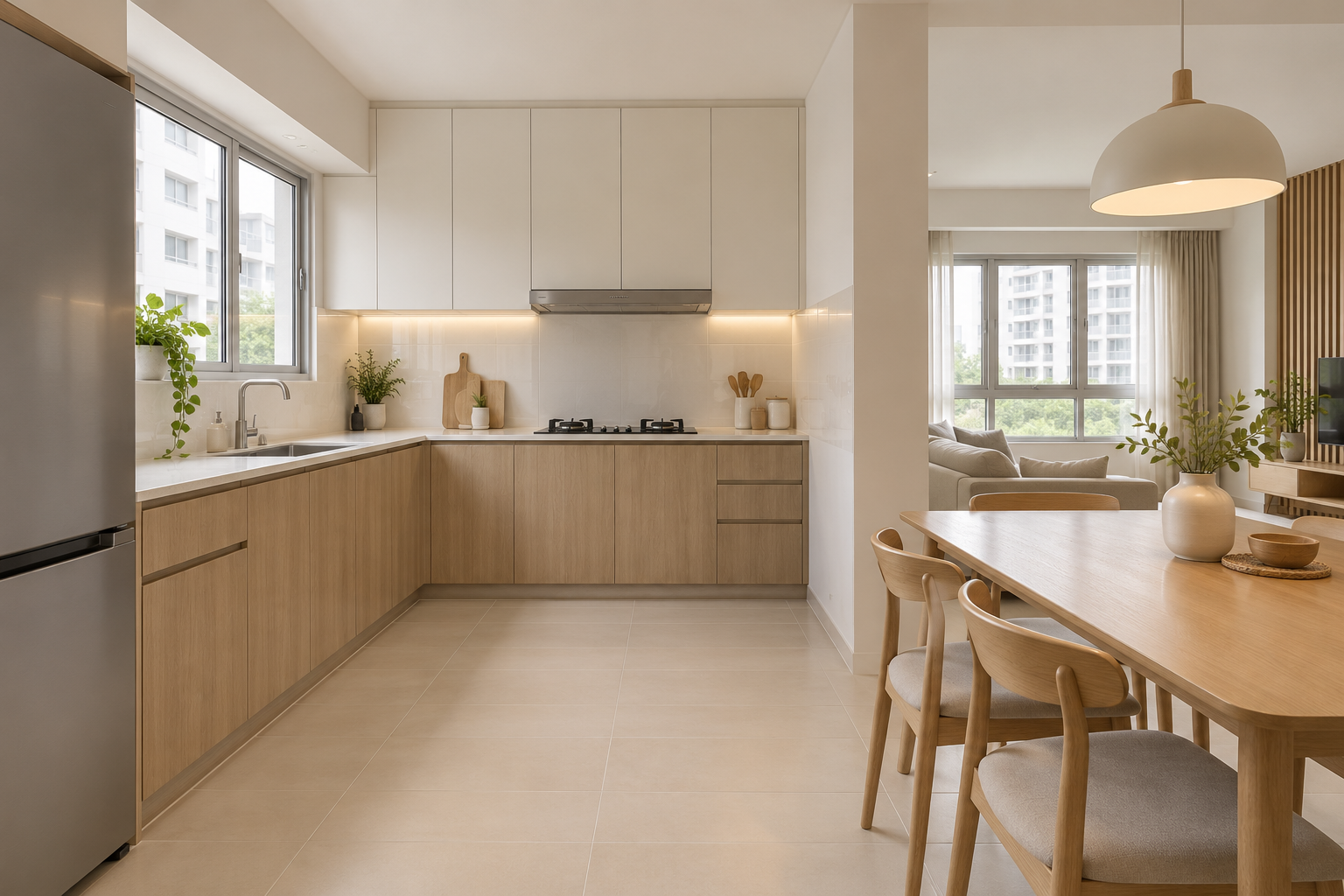
An L-shaped kitchen puts working runs on adjacent sides, often leaving a more open relationship with dining or living space. It can suit a Singapore flat, but the corner and appliance positions need careful attention. An L drawn on a plan is not automatically an efficient kitchen.

Interior / October 20, 2026
A U-shaped kitchen connects three working sides. It can offer useful counter space, but it also introduces two corners and a central area that must remain workable. In a compact Singapore kitchen, more cabinetry is not necessarily a better result.

Interior / October 20, 2026
Handleless kitchen cabinets describe an appearance, not one opening system. Recessed rails, profiled edges and push-to-open hardware can feel different in daily use. In a Singapore kitchen, the right choice should work for the actual users, including when cooking leaves hands wet or occupied.

Interior / October 20, 2026
Shaker-style kitchen doors use a framed-panel appearance, but the construction behind that look can vary. A Singapore homeowner should compare the actual door assembly and finish rather than assume a style name identifies solid timber or a particular quality.
Interior / October 20, 2026
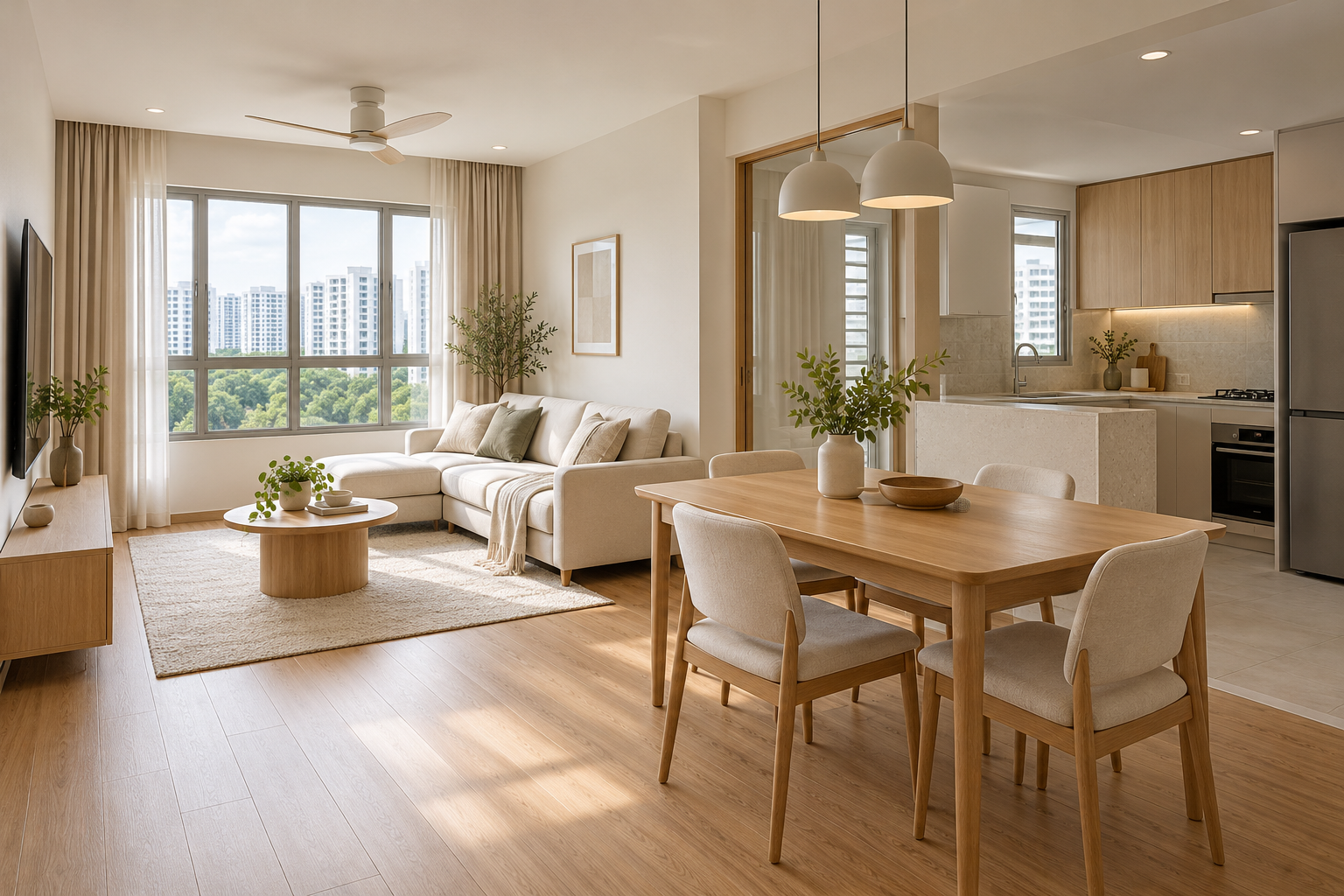
Vinyl versus tiles is not one decision for the entire home. A bedroom, busy entrance and kitchen can have different needs, while the existing floor determines which installation options are realistic. Compare exact products and a complete installed scope rather than two promotional prices.
Interior / October 20, 2026
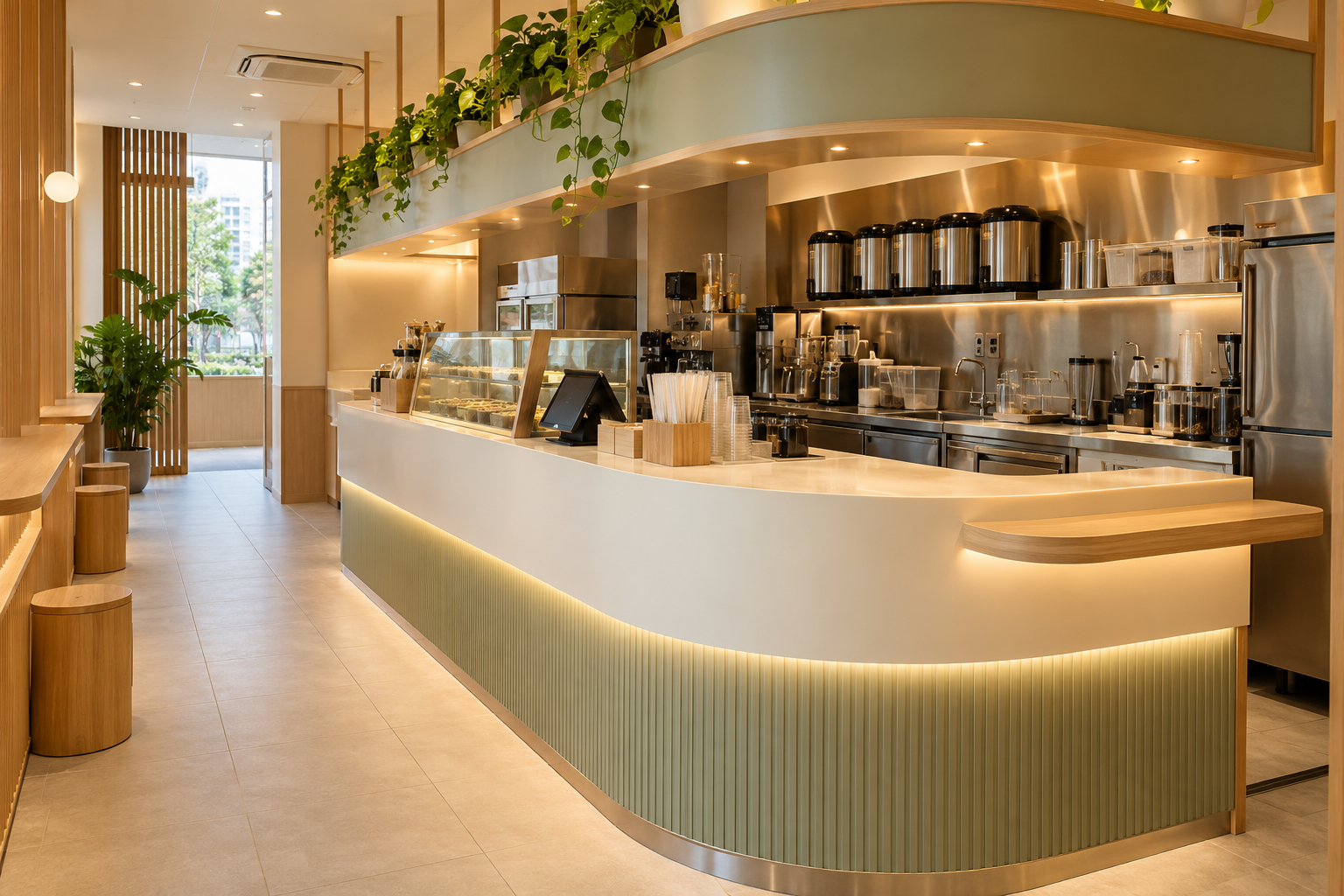
Bubble tea shop interior design should connect ordering, preparation and collection in a way the team can operate during a queue. A memorable counter matters, but it cannot compensate for equipment that is difficult to service or a pickup point that obstructs new customers.