

Interior / October 20, 2026
Renovating while living in the home is an occupancy decision, not simply a way to save accommodation costs. In Singapore apartments, noise, dust, loss of bathroom or kitchen access and interruptions to services can make a phased programme difficult. A plan must describe where people live at every stage.

Interior / October 20, 2026
Partial renovation can be the right choice when useful parts of a Singapore home remain in good condition and only selected areas need improvement. The challenge is defining where new work stops and retained work begins. Those junctions often determine the practical scope more than the size of the room being renovated.
Interior / October 20, 2026
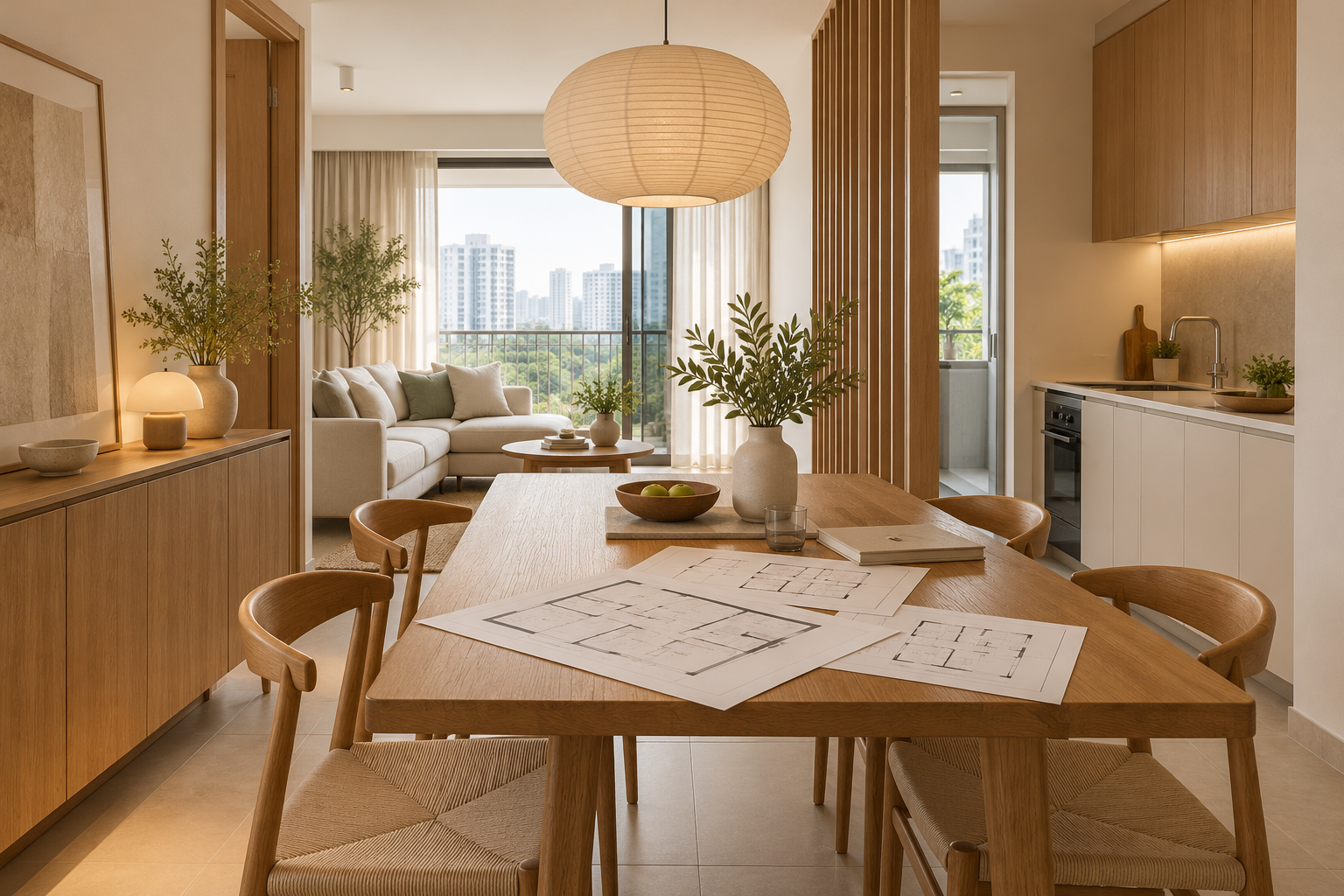
A useful interior design consultation should turn preferences into a clearer project brief. For a Singapore home or business, the discussion needs more than a collection of attractive photographs: it needs the actual space, users, priorities and decisions that affect a quotation.
Interior / October 20, 2026
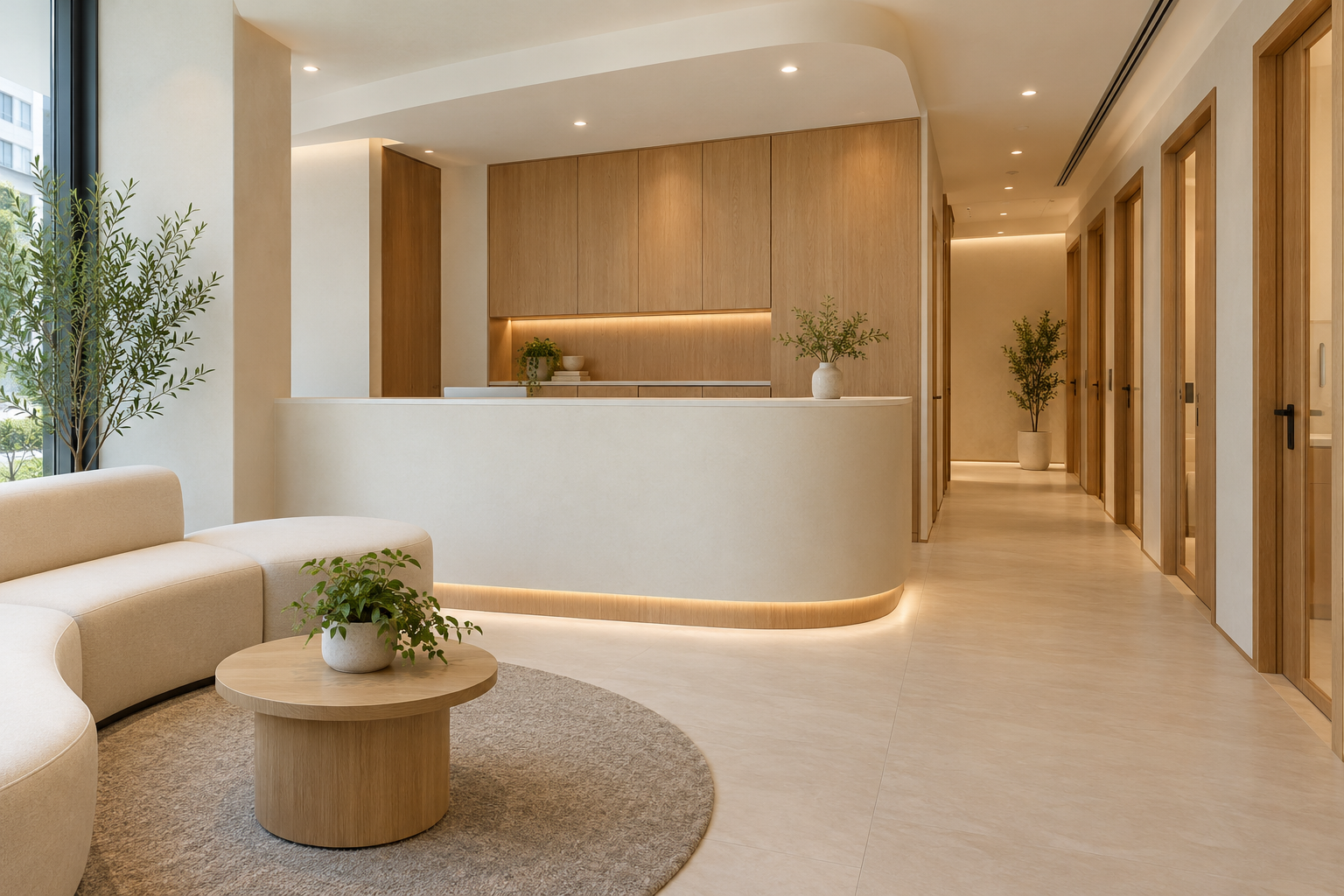
Dental clinic interior design begins with the operator’s services, clinical workflow and equipment requirements. A calm reception is valuable, but it cannot compensate for treatment rooms or support areas that have not been coordinated with the clinical team. In Singapore, the licensing and technical brief must be established alongside the design brief.
Interior / October 20, 2026
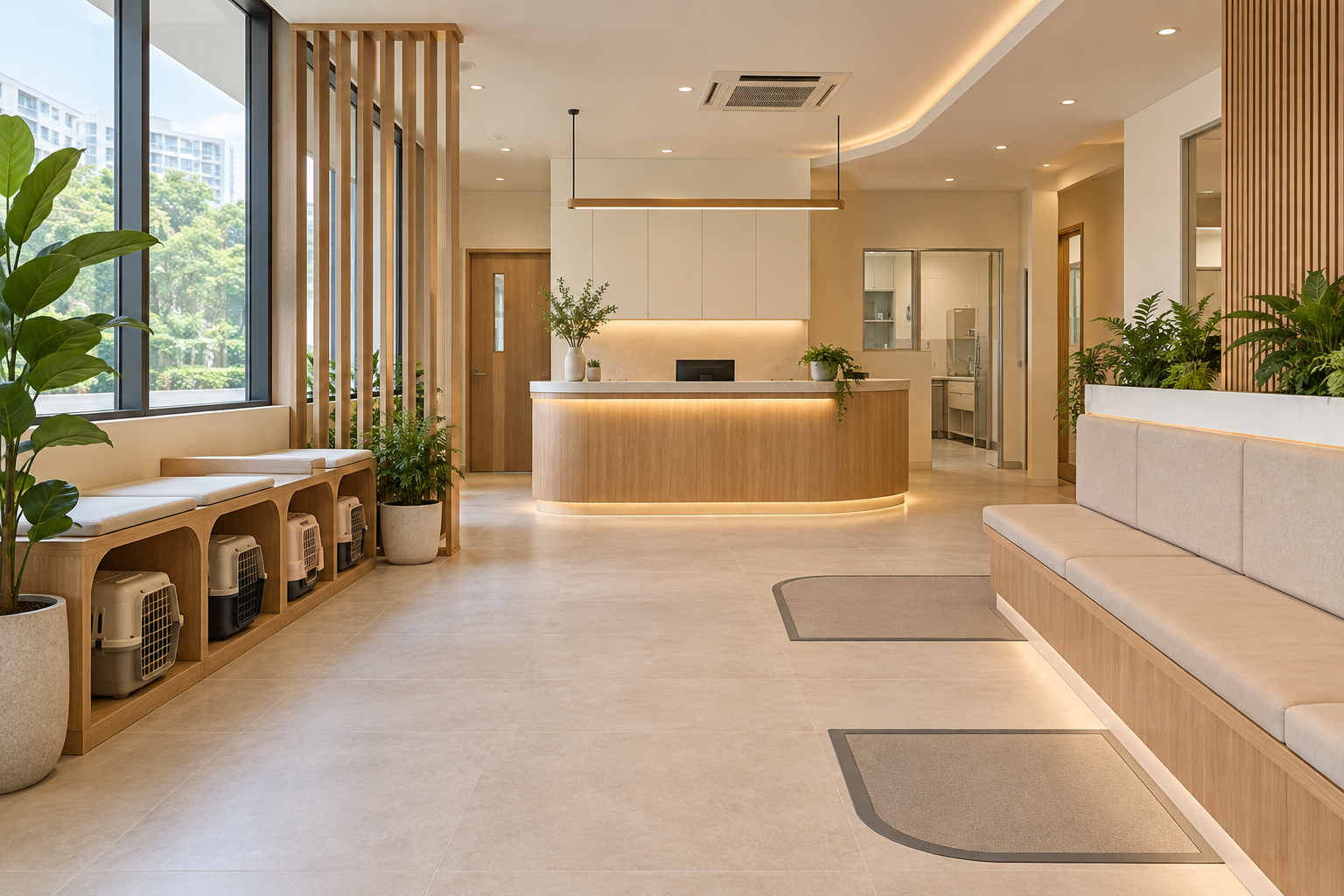
Veterinary clinic interior design must serve animals, their handlers and the veterinary team. Waiting, consultation, treatment, storage and cleaning routines are linked, so the project cannot be planned as a retail reception with examination rooms added behind it.
Interior / October 20, 2026
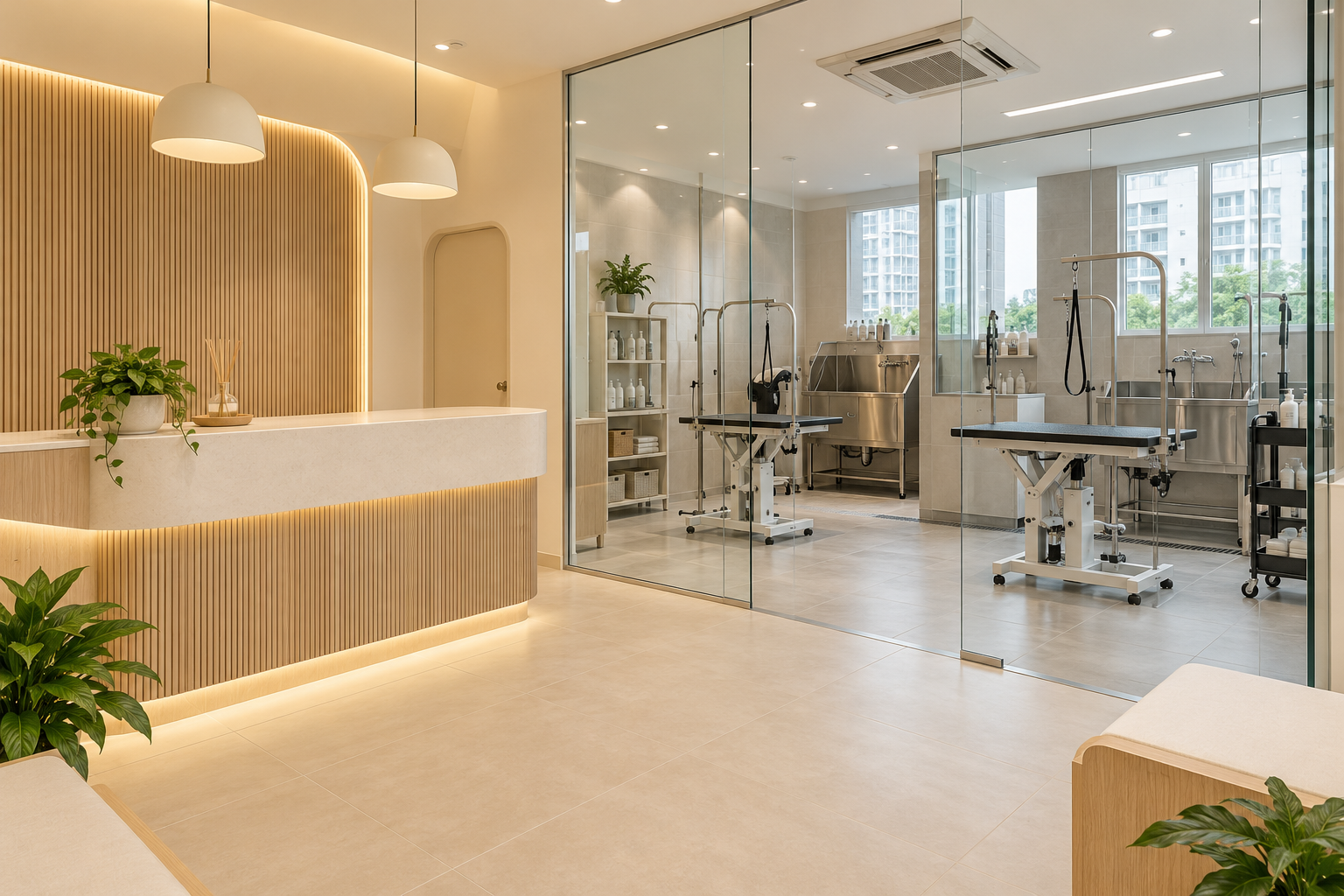
A pet grooming shop needs a clear relationship between arrival, grooming, washing, drying and collection. A charming retail front can attract attention, but it should not leave the working area cramped or difficult to clean. The operator’s handling and welfare routines should shape the interior brief from the start.