

Interior / October 20, 2026
Renovating while living in the home is an occupancy decision, not simply a way to save accommodation costs. In Singapore apartments, noise, dust, loss of bathroom or kitchen access and interruptions to services can make a phased programme difficult. A plan must describe where people live at every stage.

Interior / October 20, 2026
Partial renovation can be the right choice when useful parts of a Singapore home remain in good condition and only selected areas need improvement. The challenge is defining where new work stops and retained work begins. Those junctions often determine the practical scope more than the size of the room being renovated.
Interior / October 20, 2026
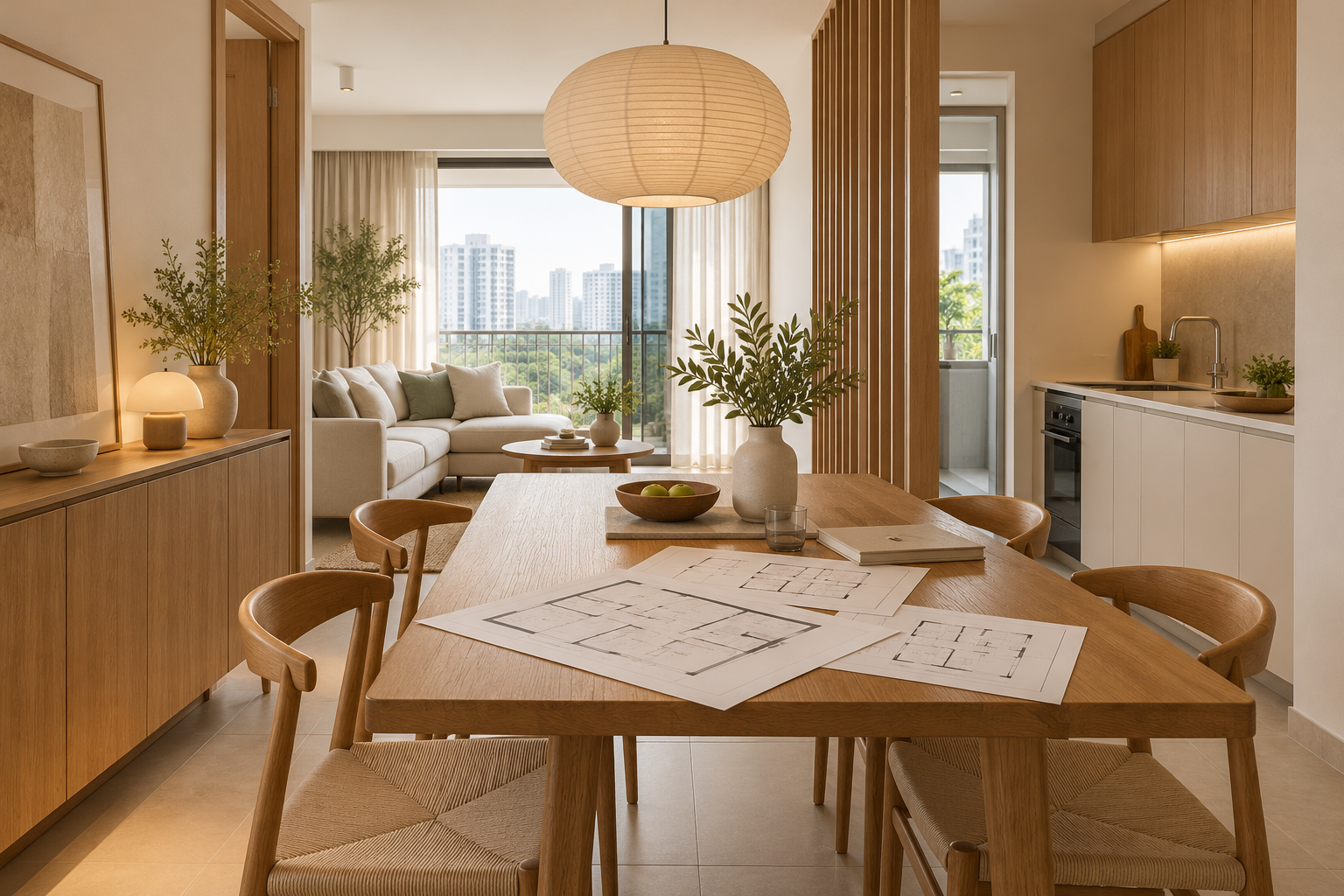
A useful interior design consultation should turn preferences into a clearer project brief. For a Singapore home or business, the discussion needs more than a collection of attractive photographs: it needs the actual space, users, priorities and decisions that affect a quotation.
Interior / October 20, 2026
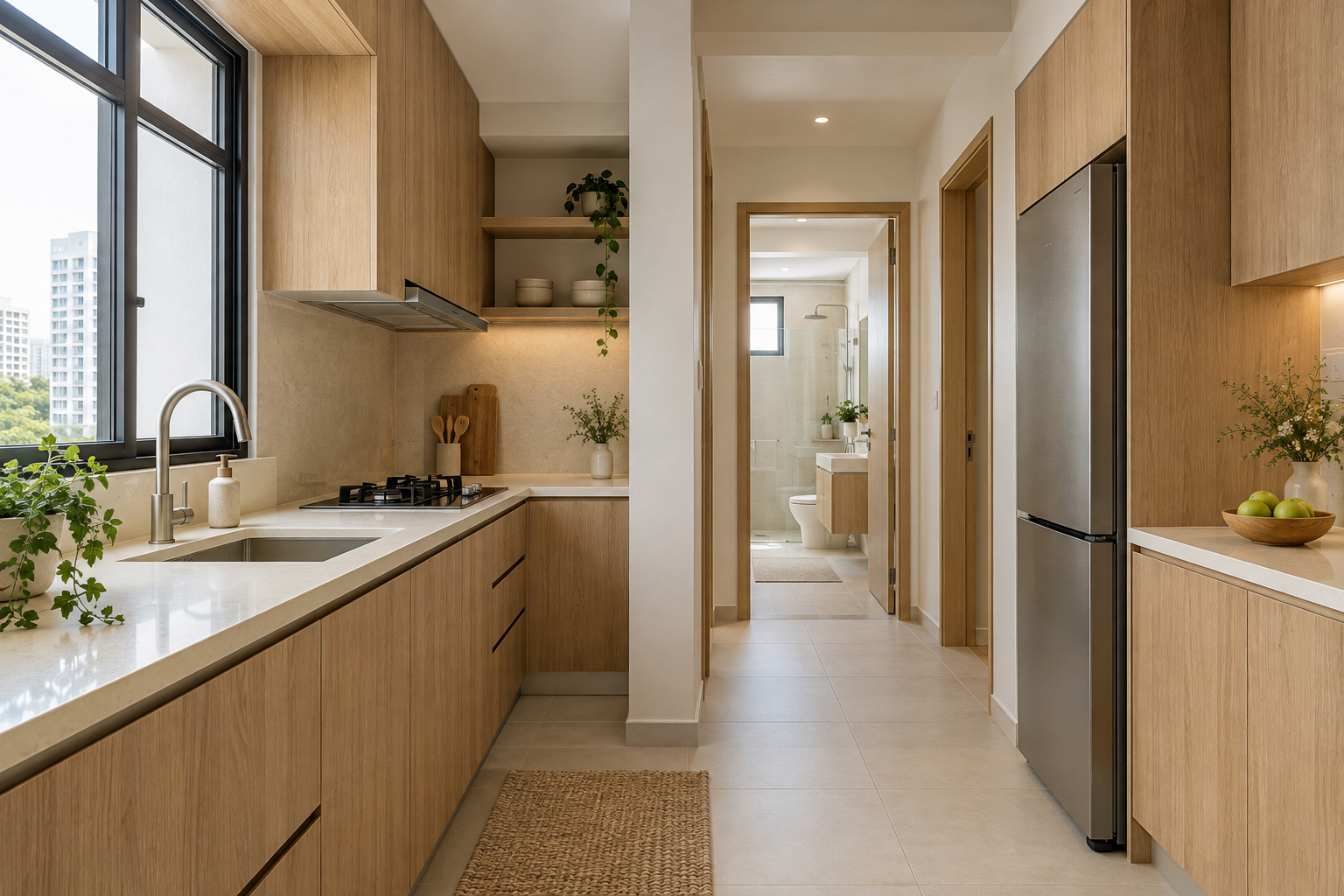
A kitchen and two-toilet renovation package can make sense when an older Singapore home needs coordinated renewal in its most service-intensive rooms. The useful comparison is the complete scope, not the size of the promotional discount. A kitchen-only carpentry price and a package that includes bathroom removal, finishes and fittings are different purchases.
Interior / October 20, 2026
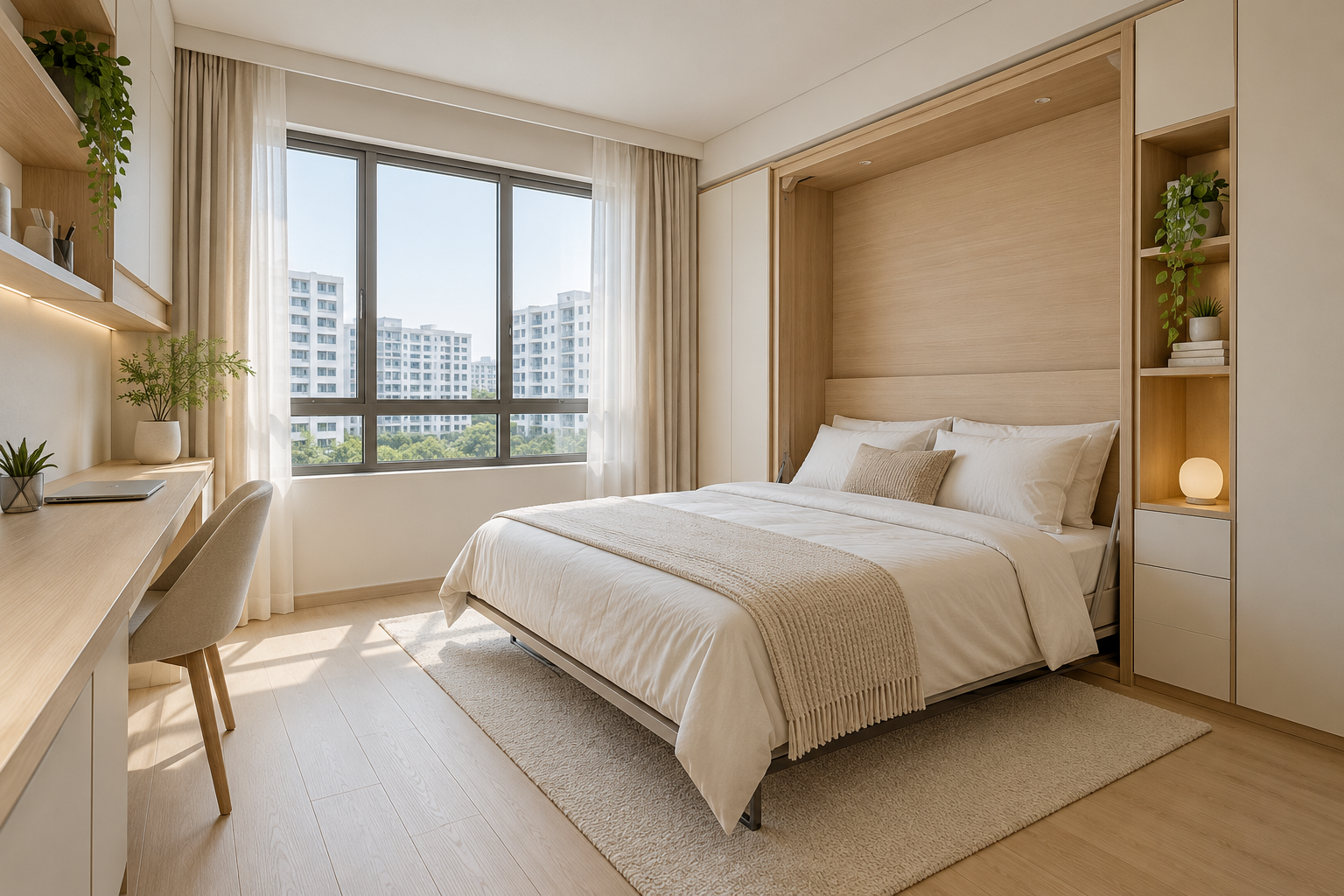
A Murphy bed, or wall bed, can release floor area when folded away, but it needs space and suitable support when used. In a Singapore study or spare room, the important question is not how neatly the closed panel blends into the wall. It is whether someone can sleep comfortably and move safely after the bed is lowered.
Interior / October 20, 2026
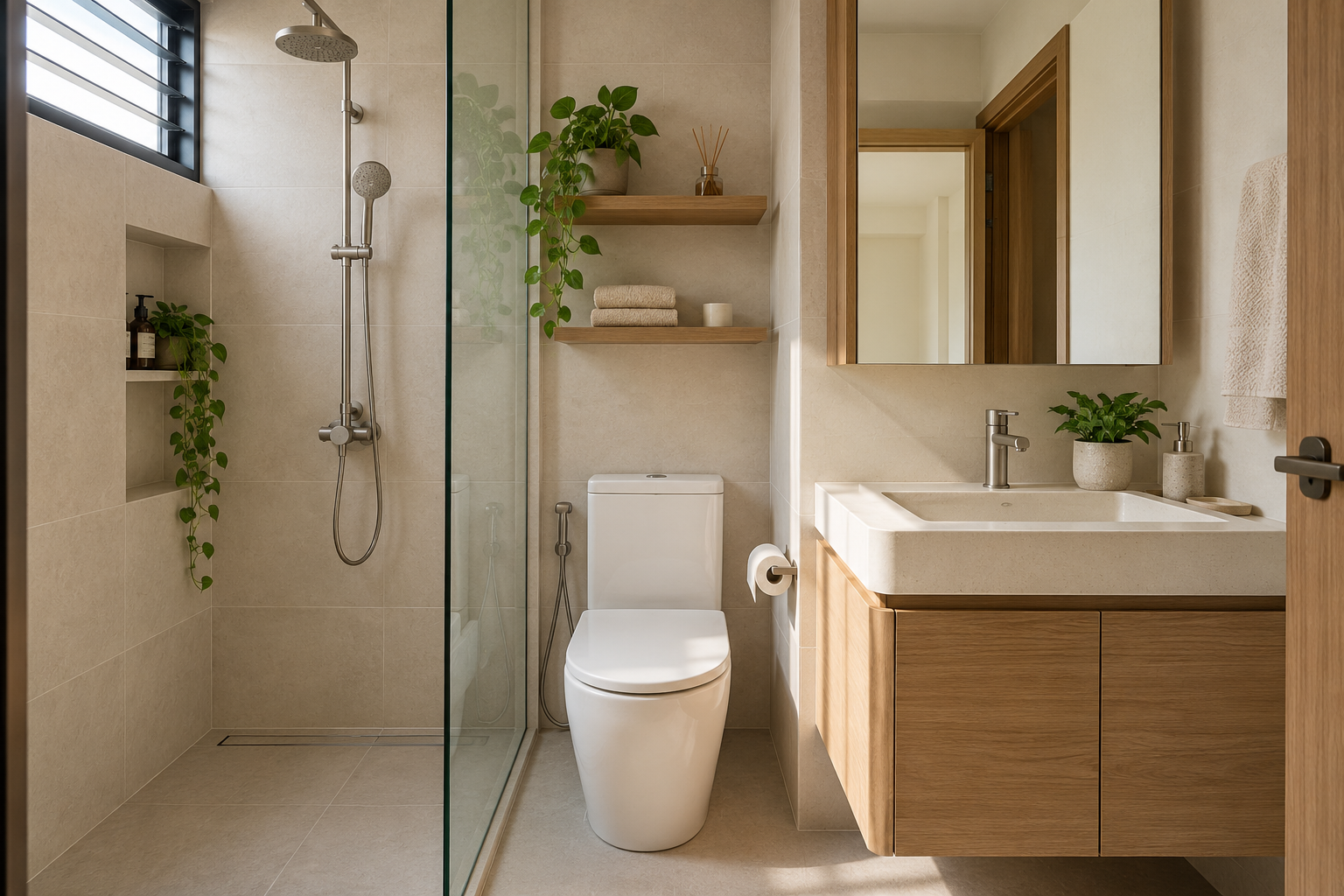
A shower screen can help organise wet and drier bathroom areas, but the right configuration depends on the real room. The WC, basin, bathroom door and shower controls all compete for access in a compact Singapore toilet. Choosing glass before reviewing these relationships can produce an enclosure that is difficult to enter or clean.