
Interior / October 20, 2026
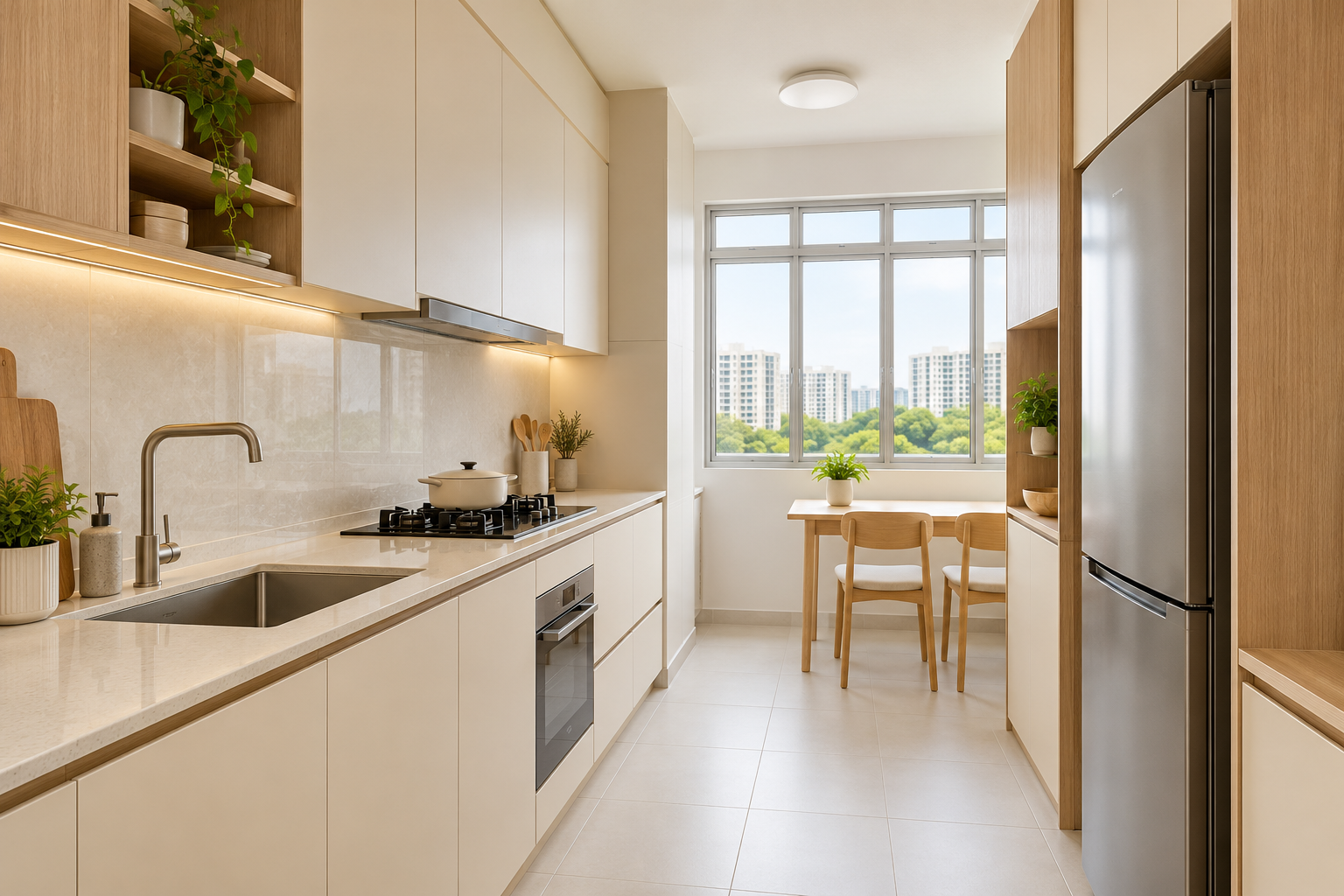
Kitchen renovation without hacking can mean several different scopes: retaining floor tiles, keeping the layout, replacing selected cabinetry or making a lighter visual refresh. Those are not interchangeable promises. Define exactly what remains and what changes before comparing quotations.

Interior / October 20, 2026
Heart of Yew Tee needs a different renovation brief from a large family-flat development. HDB’s toolkit describes 68 units of 2-room Flexi flats in a 10-storey residential block. The useful design priority is the actual occupant’s daily use, not a reduced copy of a much larger apartment.
Interior / October 20, 2026
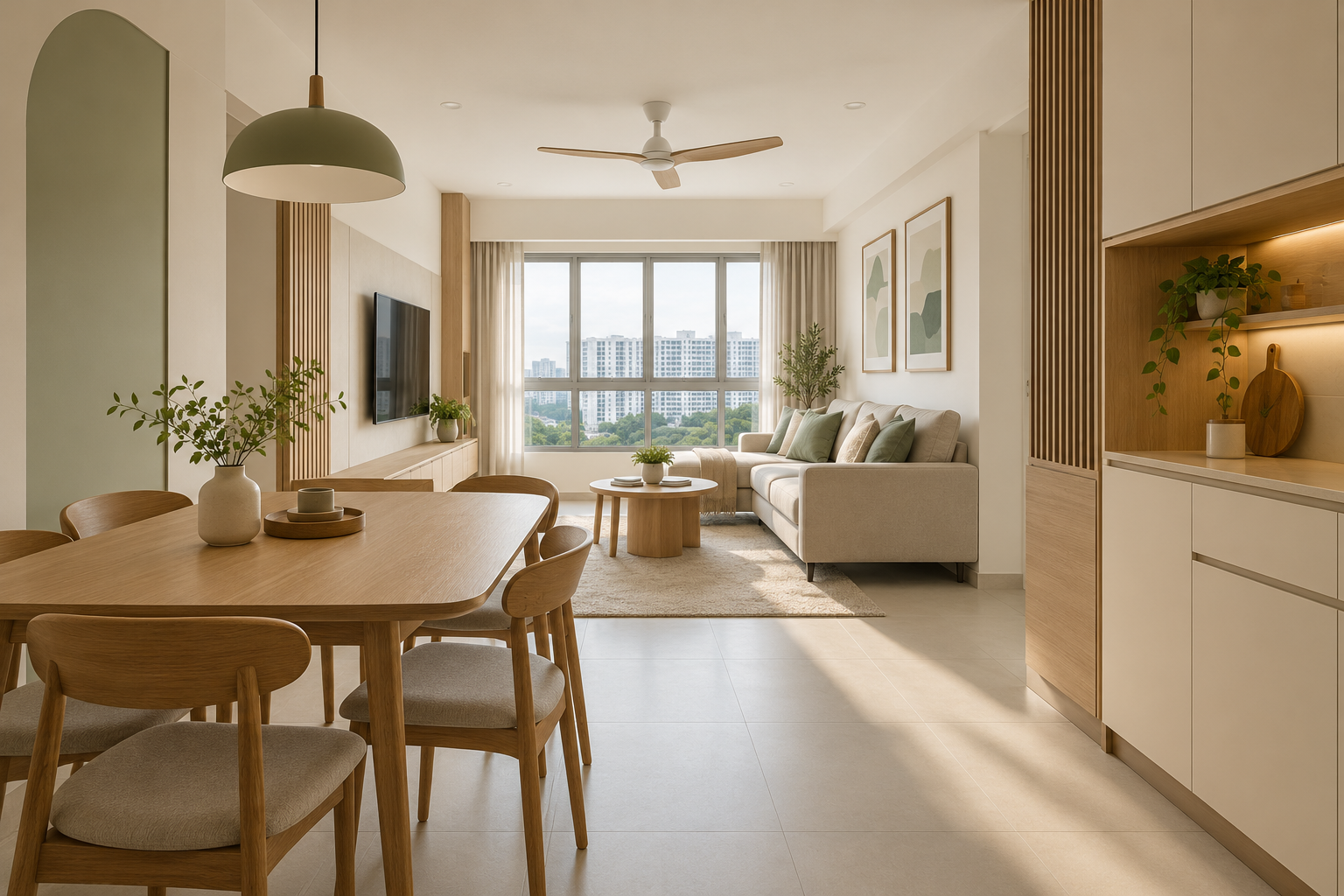
Yishun Beacon has a varied homeowner audience rather than a single standard renovation brief. HDB’s toolkit describes 646 homes across five 14-storey blocks, comprising 2-room Flexi, 4-room and 5-room flats. Those types should not receive the same furniture assumptions or cabinet package.

Interior / October 20, 2026
Sun Plaza Spring renovation planning should recognise the development’s verified flat mix. HDB’s toolkit describes 267 homes in three 11-storey blocks, comprising 4-room and 5-room flats. A generic smaller-flat package is not a substitute for the actual unit and household brief.
Interior / October 20, 2026
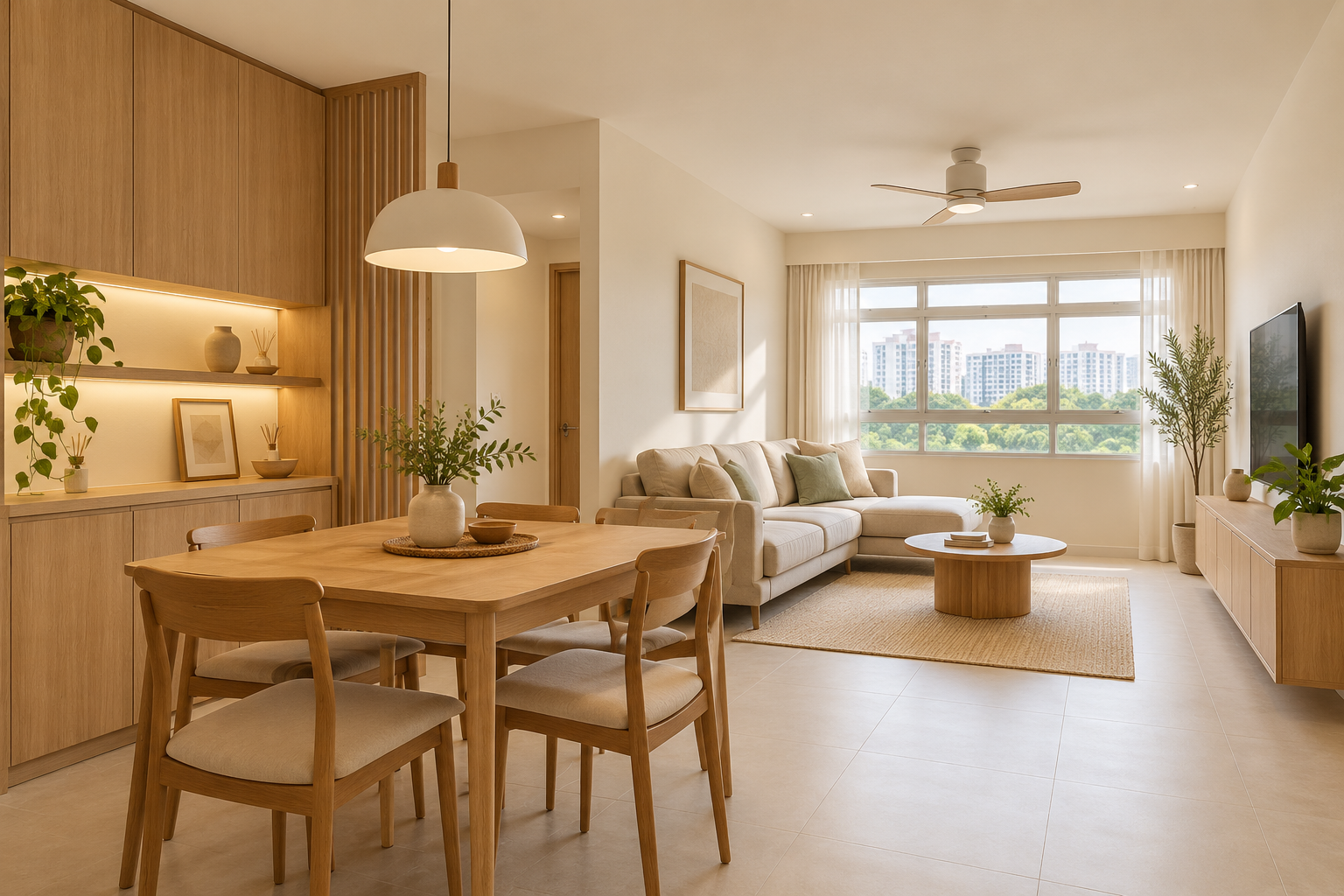
Nanyang Opal renovation planning should use the actual flat documents, not a generic Jurong West package. HDB’s toolkit identifies 221 homes across two 14-storey blocks, with 3-room and 4-room flats. The development context is useful, but it does not establish the layout or selected provisions of your home.

Interior / October 20, 2026
Storeroom design should make stored items accessible, not simply increase the number of shelves. In a Singapore home, luggage, cleaning equipment and bulk supplies need different depths and access. A room packed to the ceiling can become less useful than a smaller organised arrangement.