
Interior / October 20, 2026
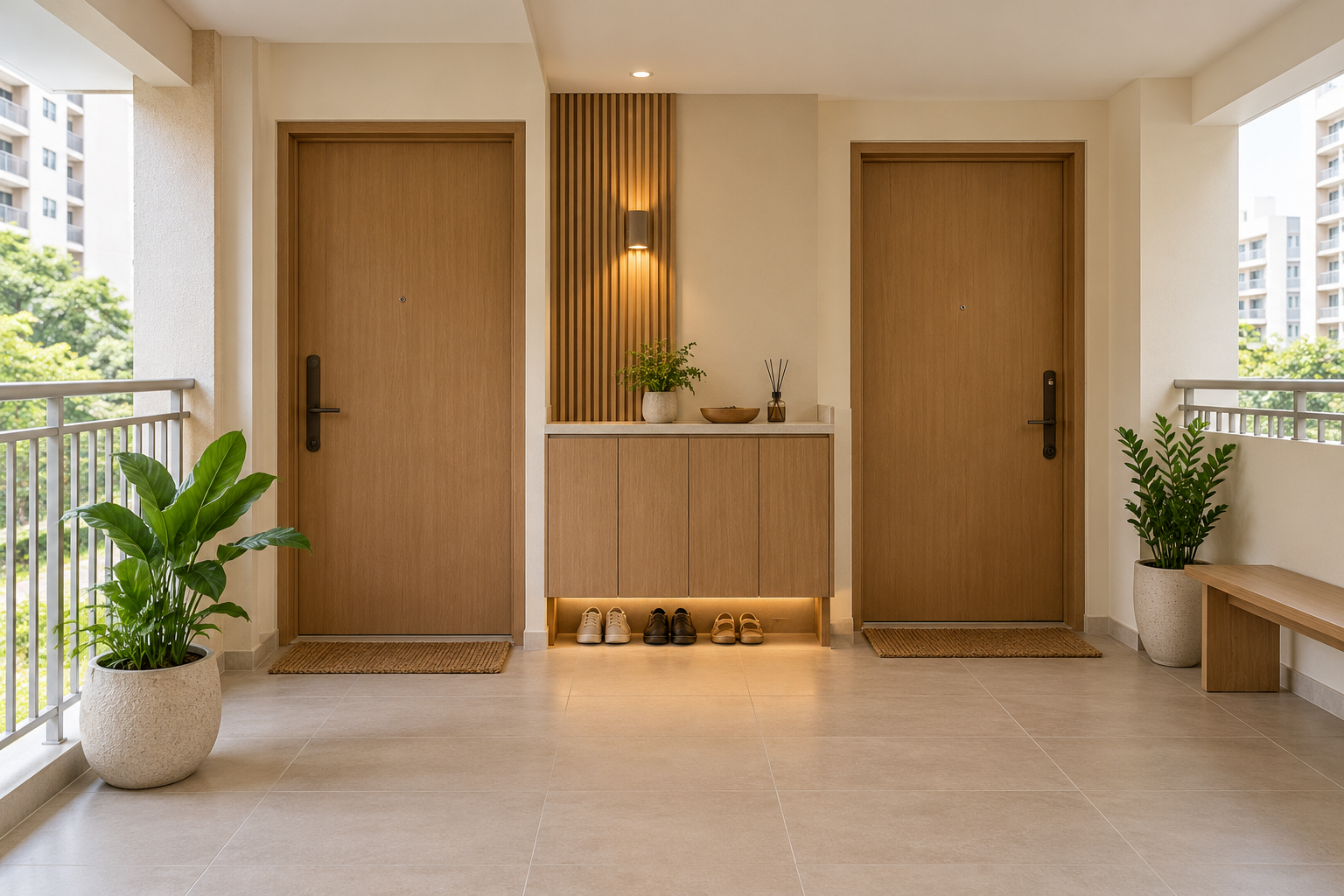
An existing dual-key condo can offer more than one way for a household to share space, but the original arrangement should be understood before deciding to retain or change it. Separate entrances, duplicated facilities and internal connections create design questions that a standard living-room plan will not answer.
Interior / October 20, 2026
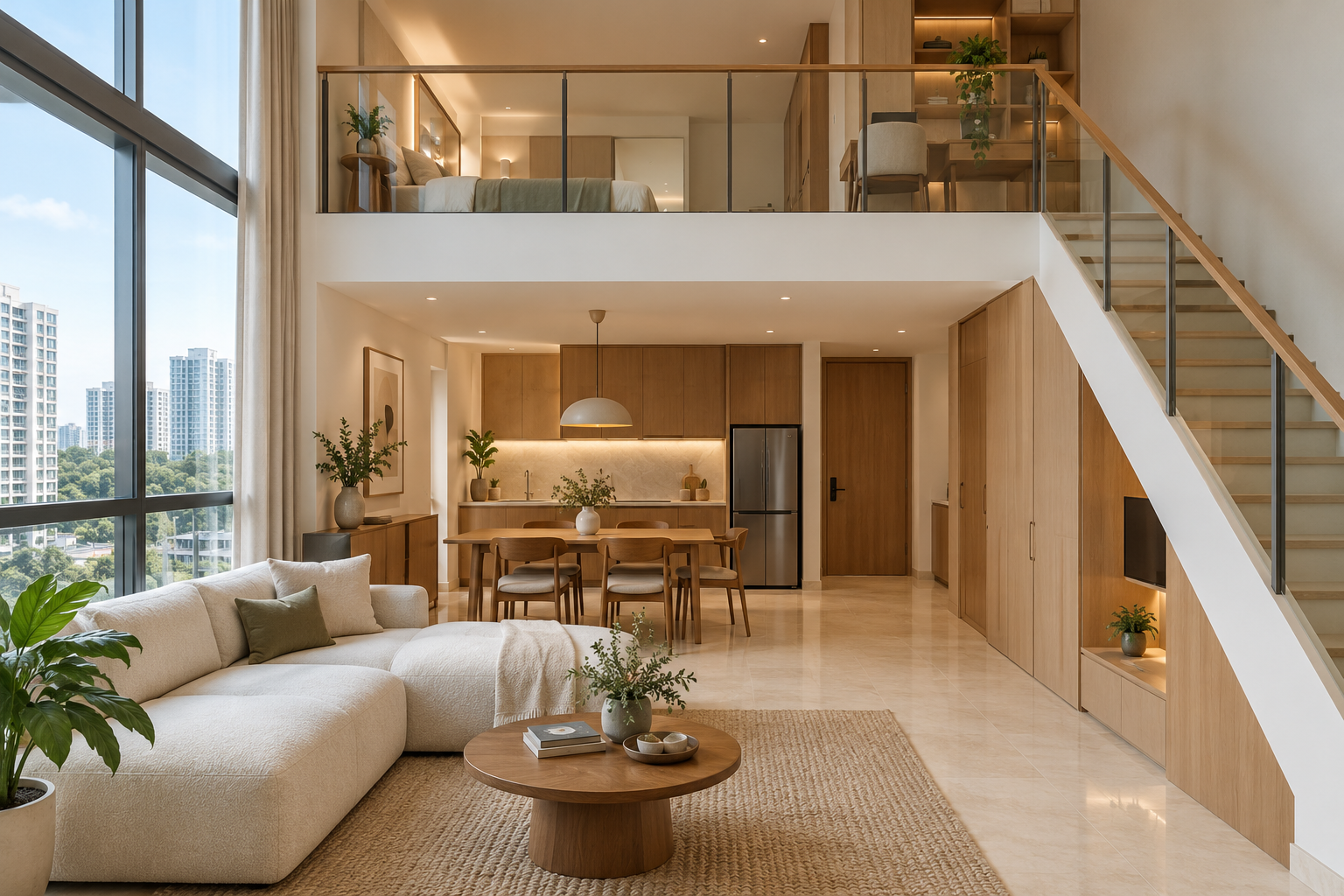
Loft apartment interior design should respond to the existing approved levels, stair and room relationships. The extra height can create a distinctive home, but it also changes how furniture, light, cleaning and everyday movement need to be planned. A tall room is not automatically an invitation to build a new platform.
Interior / October 20, 2026
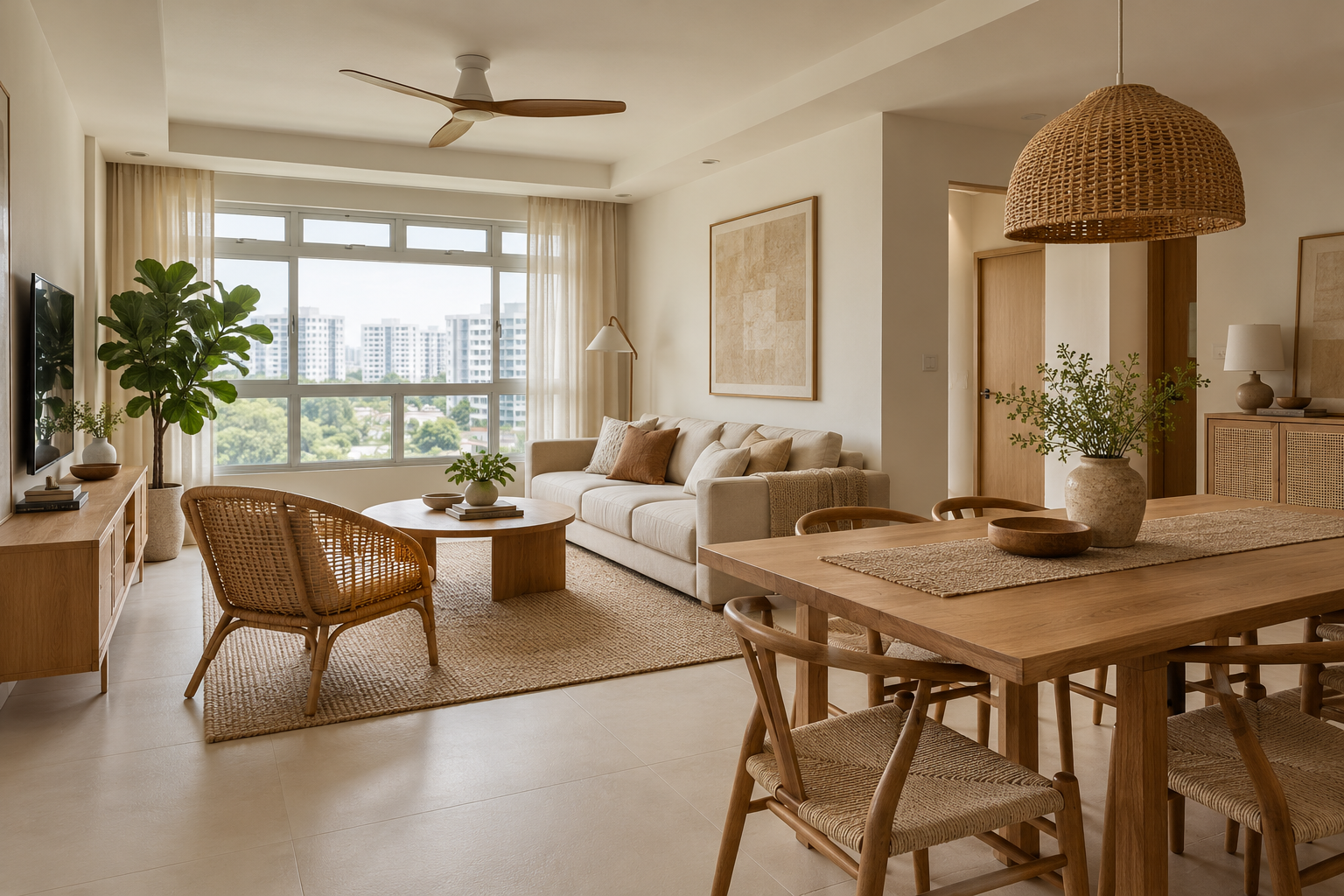
Bohemian interior design can make a Singapore home feel personal through texture, colour and collected objects. The challenge is keeping those layers comfortable in a compact flat rather than turning every wall and surface into a display. Begin with the furniture and belongings you actually want to live with.
Interior / October 20, 2026
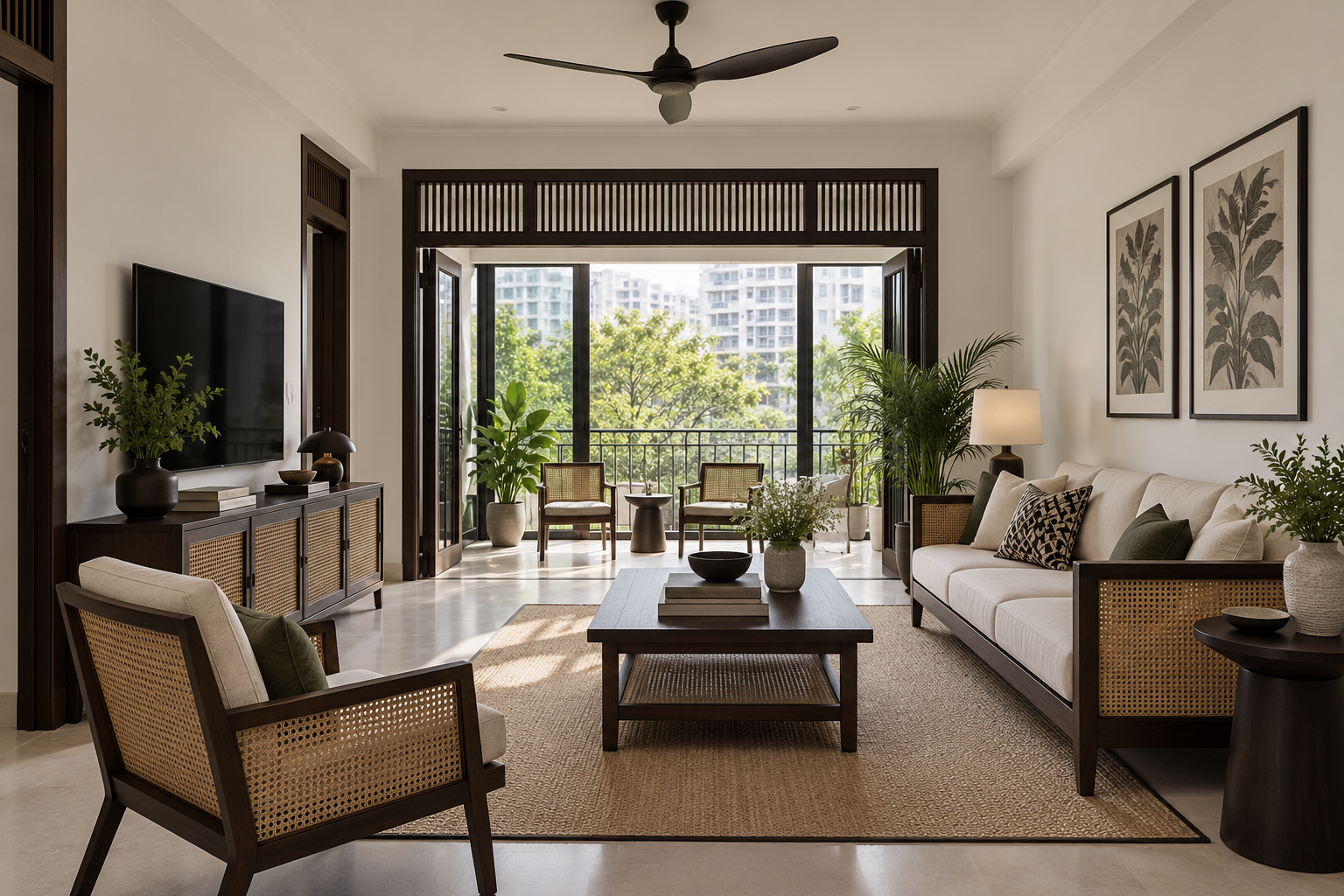
Modern-colonial interior design can combine light walls, darker timber, cane detail and considered furniture in a Singapore apartment. The useful interpretation is a coherent contemporary home with selected references, not an imitation of a large historic bungalow. The proportions and storage needs of an HDB or condo still determine what works.
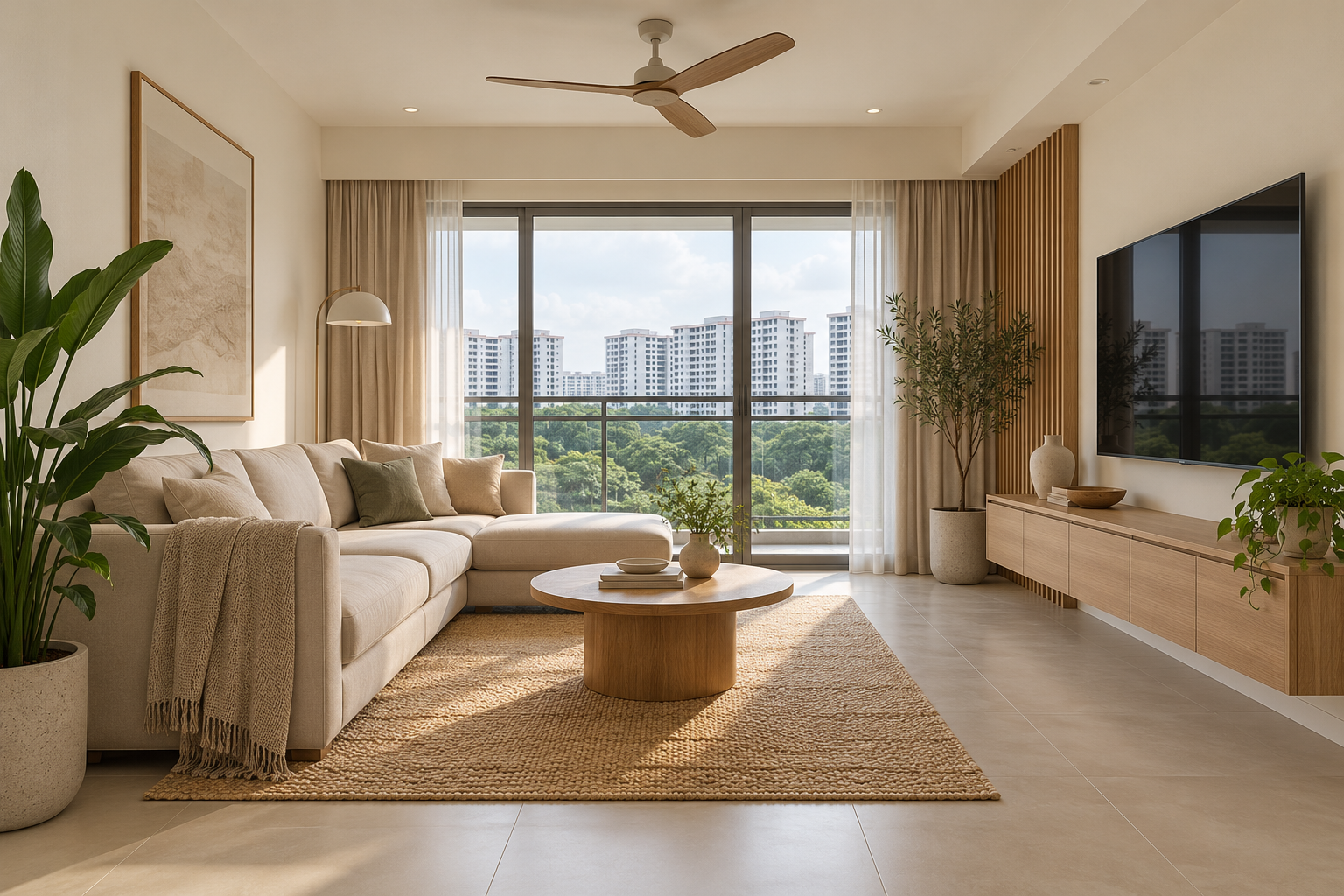
Interior / October 20, 2026
Tropical interior design can feel relaxed through timber, light colours, texture and a considered relationship with greenery. In a Singapore apartment, that should be translated into a comfortable interior rather than a room crowded with plants or an attempt to copy a resort villa. Start with the actual light, furniture and maintenance routine.
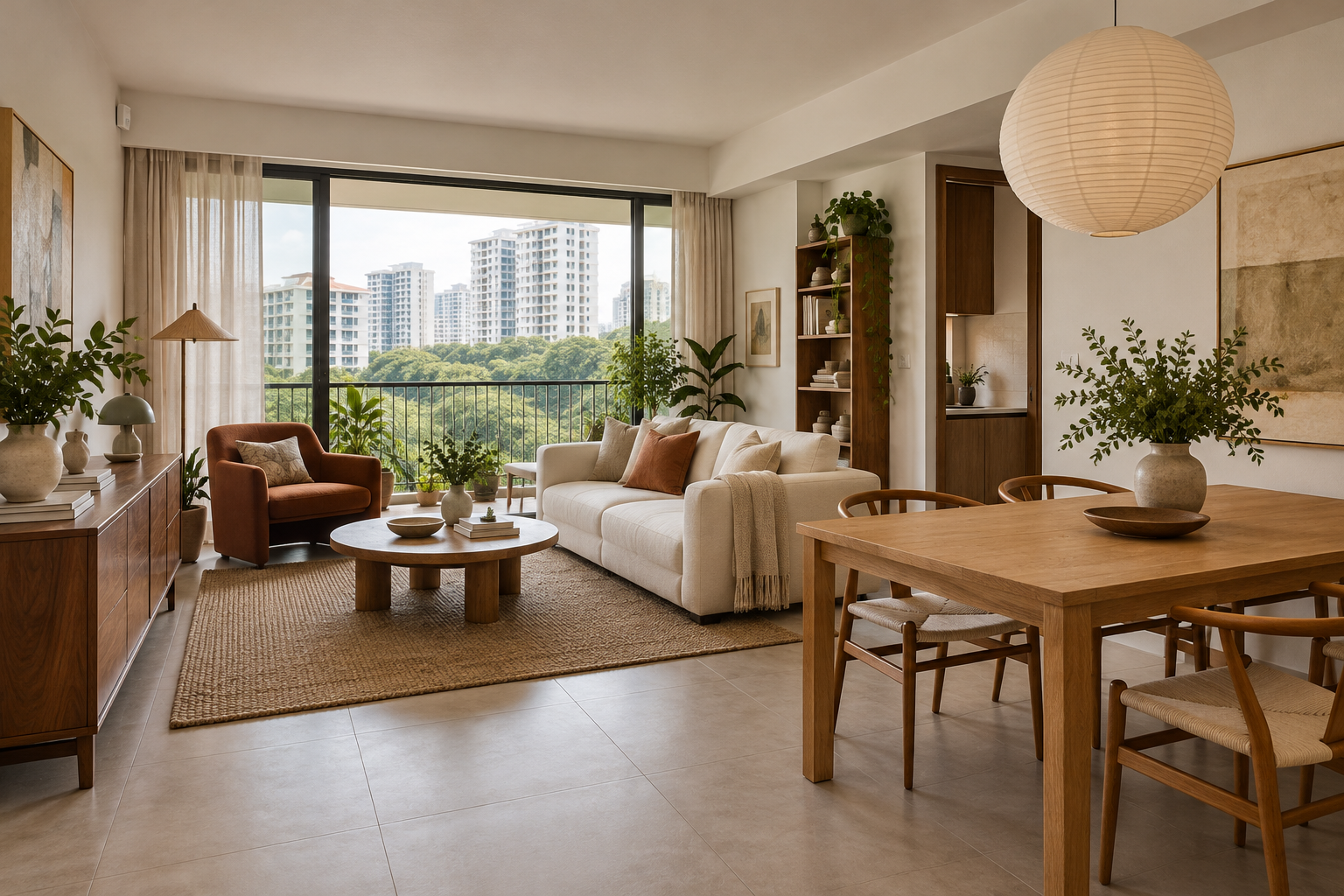
Interior / October 20, 2026
Eclectic interior design is useful when the household wants to keep furniture, art or objects from different periods rather than start with a matching set. The design challenge is giving those pieces a coherent relationship while making the room comfortable to use. A varied collection does not need a varied finish on every fixed surface.