
Interior / October 20, 2026
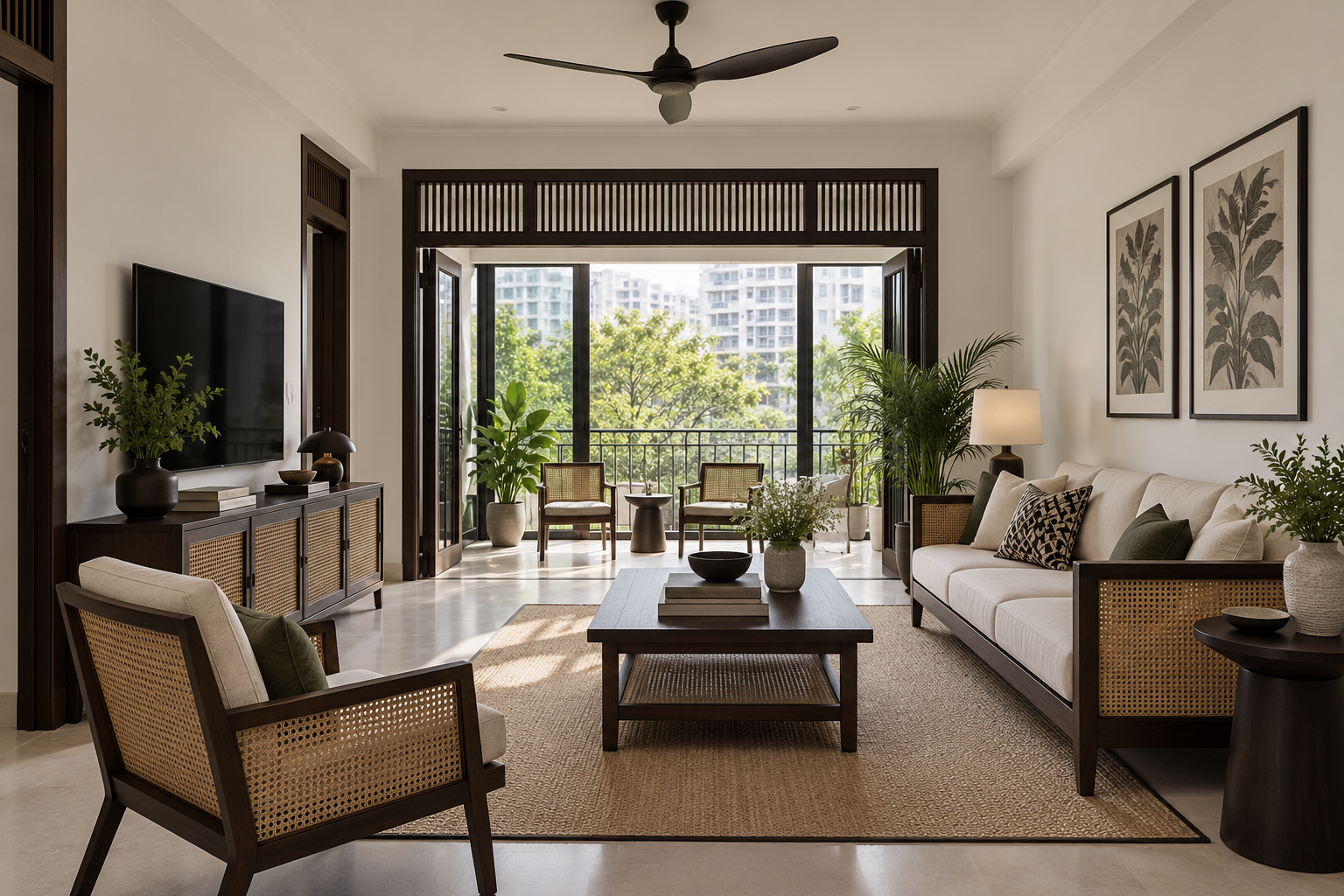
Modern-colonial interior design can combine light walls, darker timber, cane detail and considered furniture in a Singapore apartment. The useful interpretation is a coherent contemporary home with selected references, not an imitation of a large historic bungalow. The proportions and storage needs of an HDB or condo still determine what works.
Interior / October 20, 2026
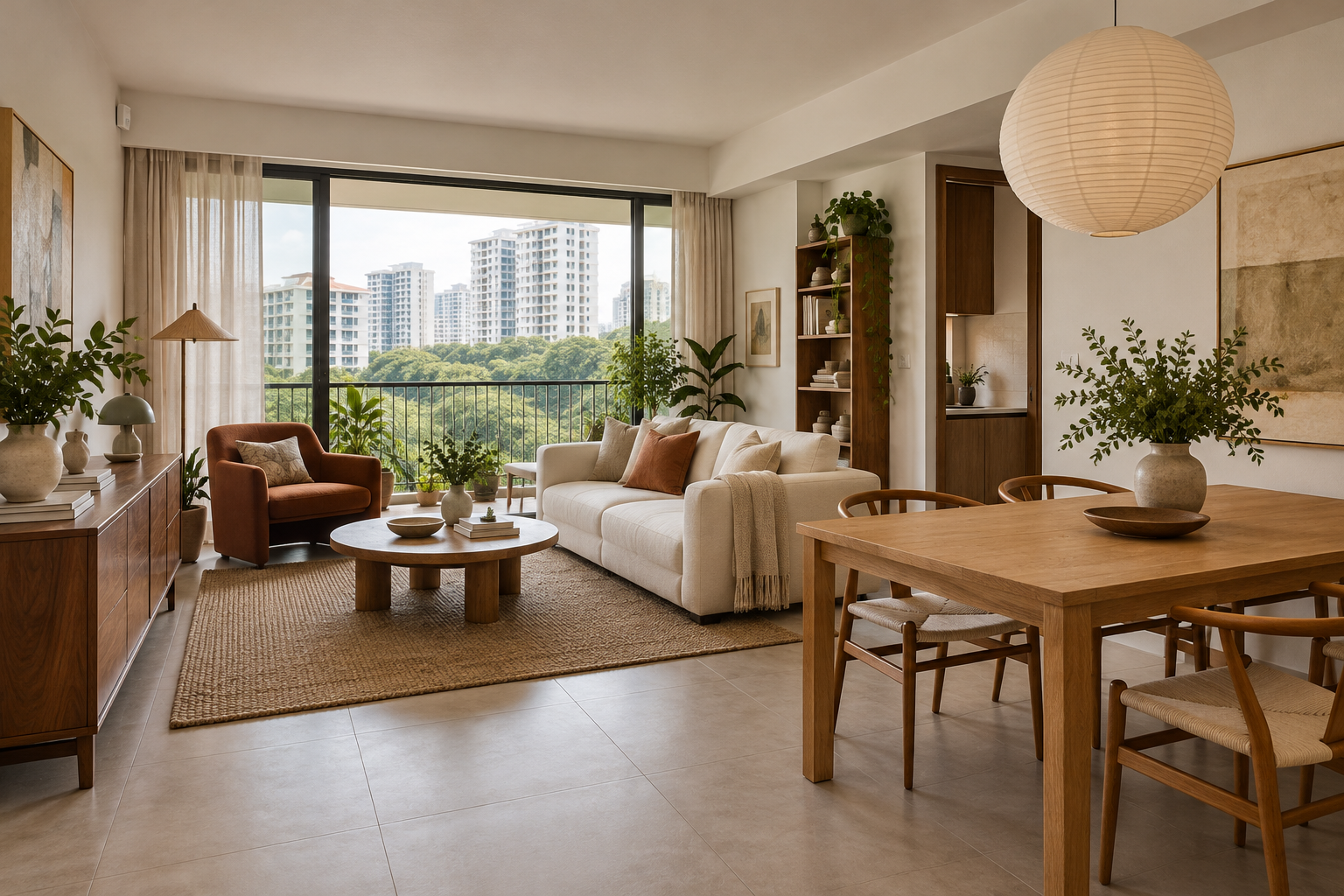
Eclectic interior design is useful when the household wants to keep furniture, art or objects from different periods rather than start with a matching set. The design challenge is giving those pieces a coherent relationship while making the room comfortable to use. A varied collection does not need a varied finish on every fixed surface.
Interior / October 20, 2026
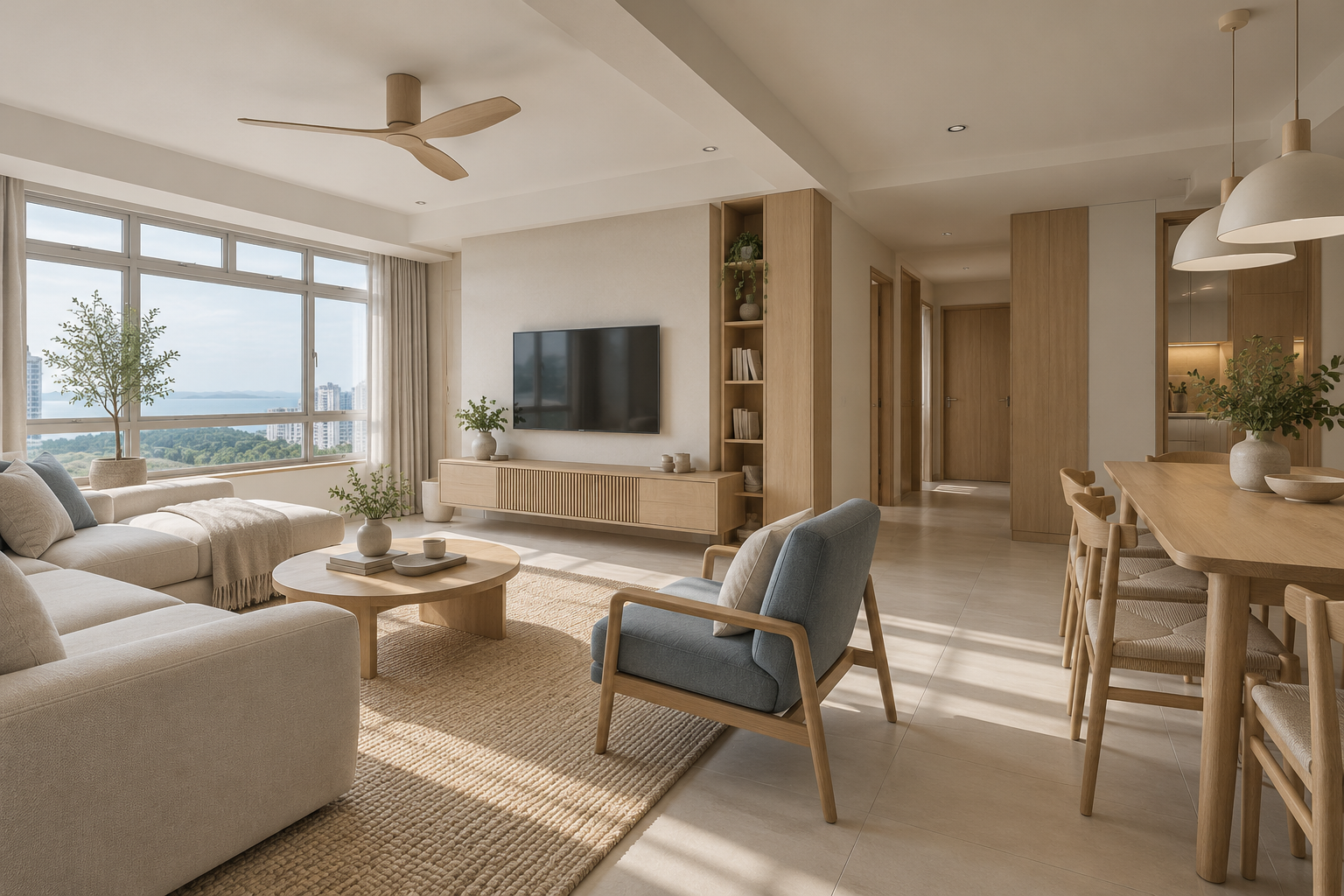
Coastal interior design can give a Singapore apartment a relaxed direction through light timber, off-white, soft colour and comfortable textiles. It does not require a sea view or nautical decorations. The useful brief is a light, coherent home that supports the household’s routine rather than a literal beach-themed set.
Interior / October 20, 2026
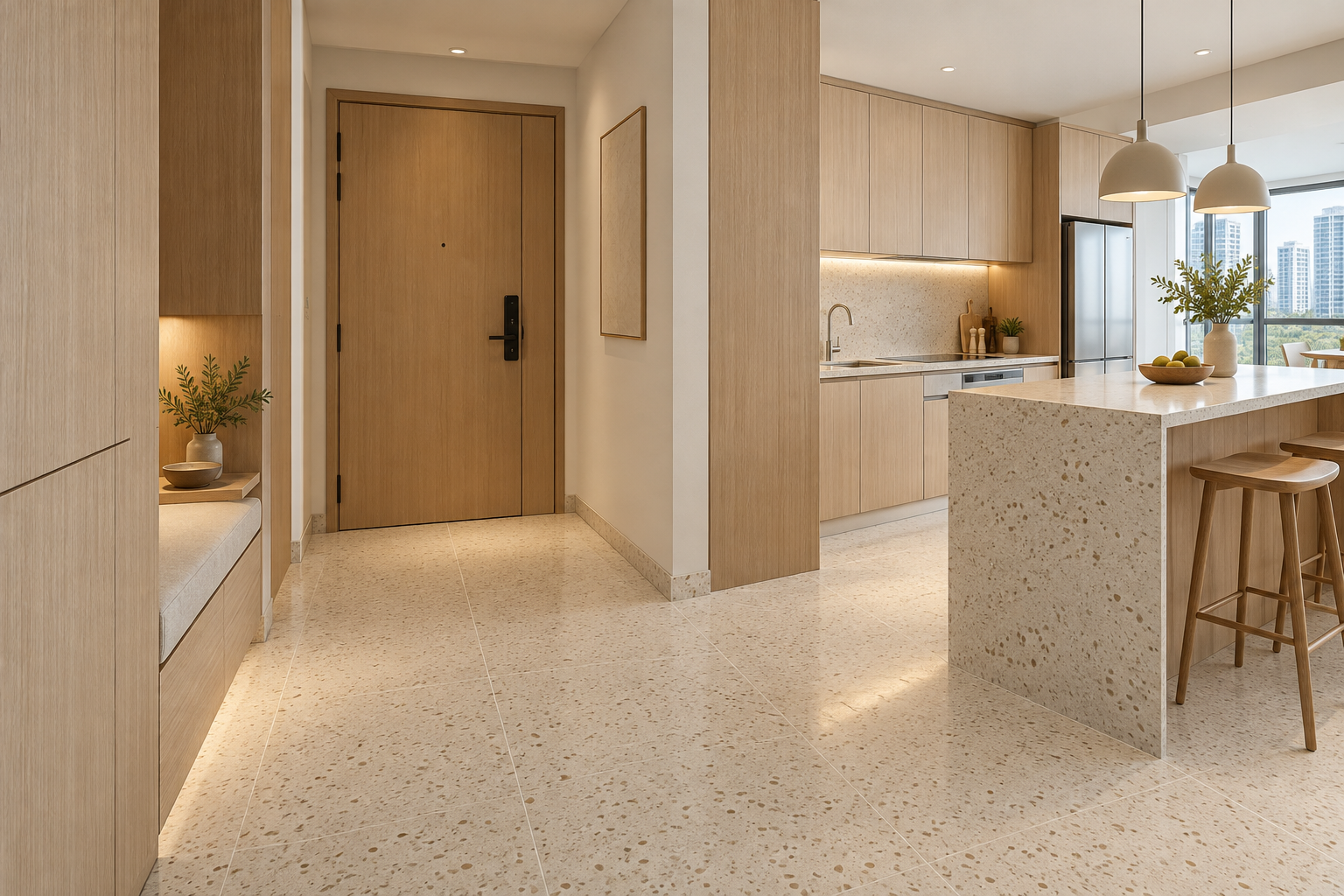
Terrazzo tiles can give a Singapore interior a distinctive speckled surface, but the appearance does not identify the complete product. Actual terrazzo and a ceramic or porcelain tile printed with a terrazzo-like pattern can require different specification and care. Start by naming the material rather than ordering from a small photograph.
Interior / October 20, 2026
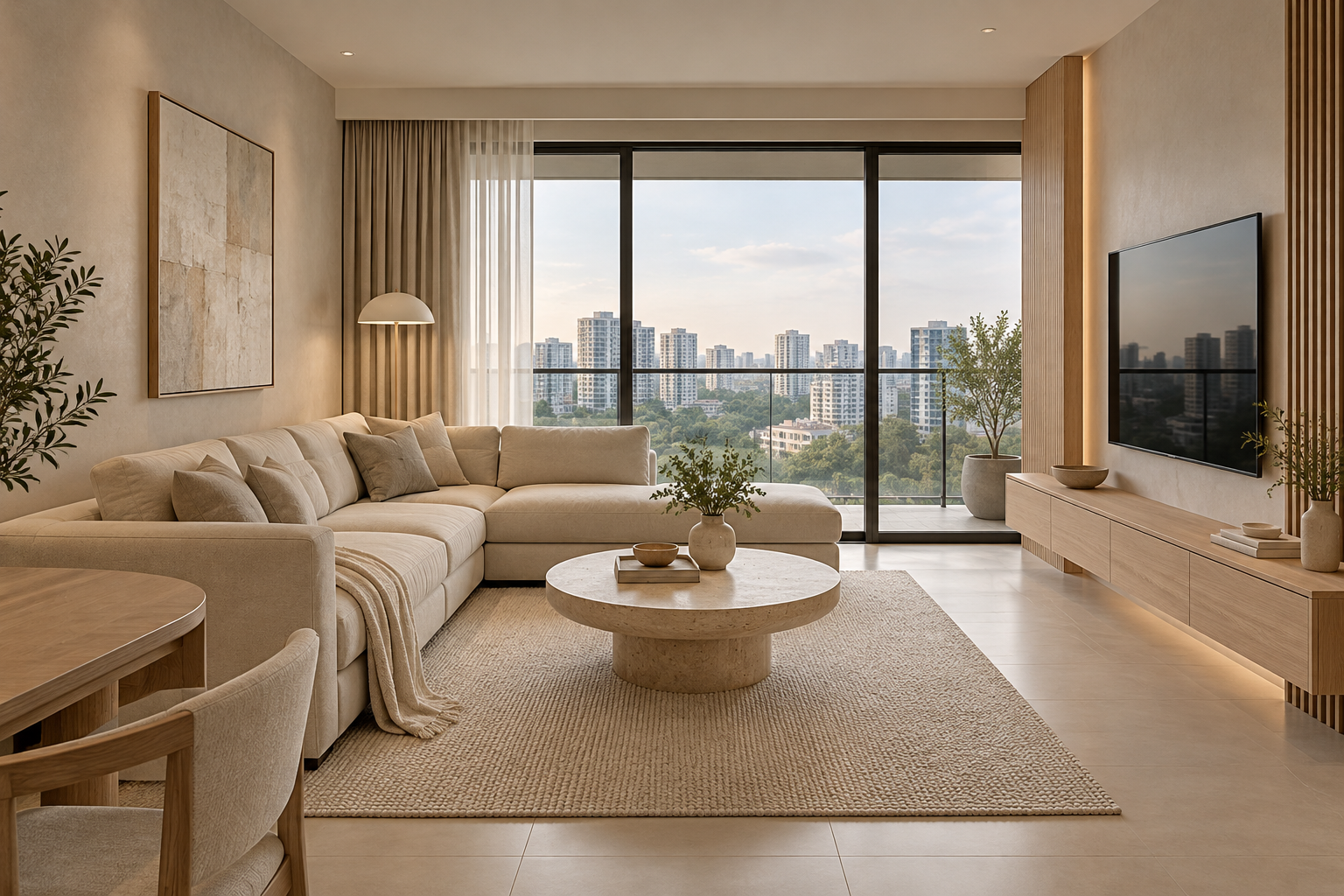
Microcement can create a continuous-looking decorative finish, but a smooth photograph does not reveal the complete system or the condition beneath it. For a Singapore renovation, the useful questions concern the actual product, substrate, preparation, application and protective finish. Treat those as one coordinated specification.
Interior / October 20, 2026
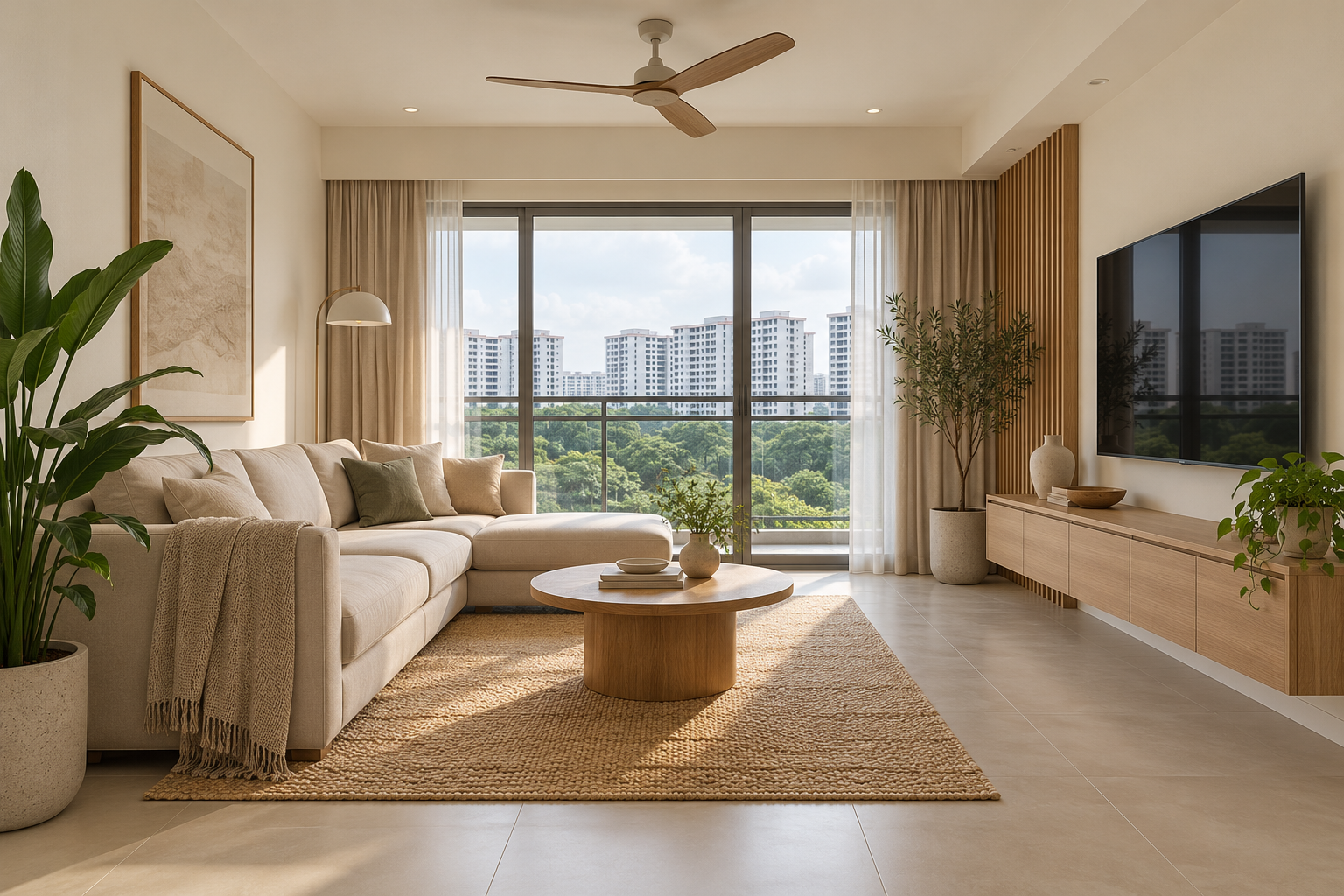
Tropical interior design can feel relaxed through timber, light colours, texture and a considered relationship with greenery. In a Singapore apartment, that should be translated into a comfortable interior rather than a room crowded with plants or an attempt to copy a resort villa. Start with the actual light, furniture and maintenance routine.